
What Homeowners Wish They Knew Before Dealing With Water, Mold, or Fire Damage in Gilbert
Our team handles emergency water damage, fire damage cleanup, and mold remediation with rapid response, advanced drying equipment, and proven restoration methods to protect your property and prevent further damage.
What’s Covered on This Page
- Most Homeowners Don’t Know the Clock Is Already Running
- The First Hours After Water Damage Are the Most Important
- Hidden Water Damage Is More Common Than Most People Expect
- Does Gilbert’s heat and monsoon season make water damage worse than in other places?
- How do I know if I actually have mold or just a musty smell from the heat?
- What is the difference between water mitigation and water restoration?
- Can I handle small water damage myself with fans and towels?
- Does waiting to file an insurance claim hurt my payout after water or fire damage?
- After a kitchen fire in Gilbert, how long do I have before smoke damage becomes permanent?
Need what homeowners wish they knew before dealing with water, mold, or fire damage?
Call now. Call Flow state now.
Most Homeowners Don’t Know the Clock Is Already Running
Here’s what catches most Gilbert homeowners off guard. Water, mold, and fire damage do not wait for a plan. The damage keeps moving, hour by hour, and most people do not realize it until they are already behind.
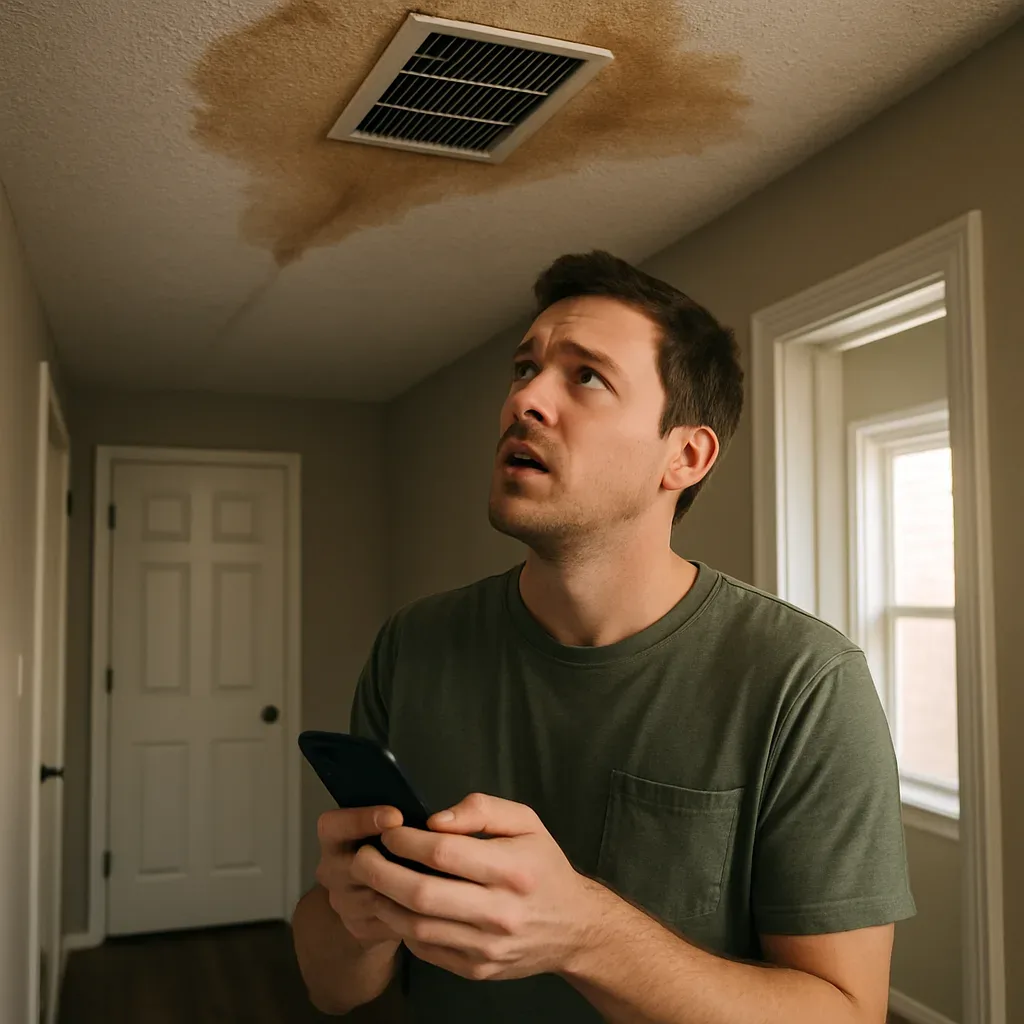
We see this after every monsoon season in Gilbert. A homeowner spots a damp patch on the ceiling. They think they can deal with it over the weekend. By Saturday, the drywall has spread, the insulation is soaked, and mold can start inside the wall cavity (quietly, too). What looked like a small ceiling repair turns into a much bigger restoration job.
The timeline is rough.
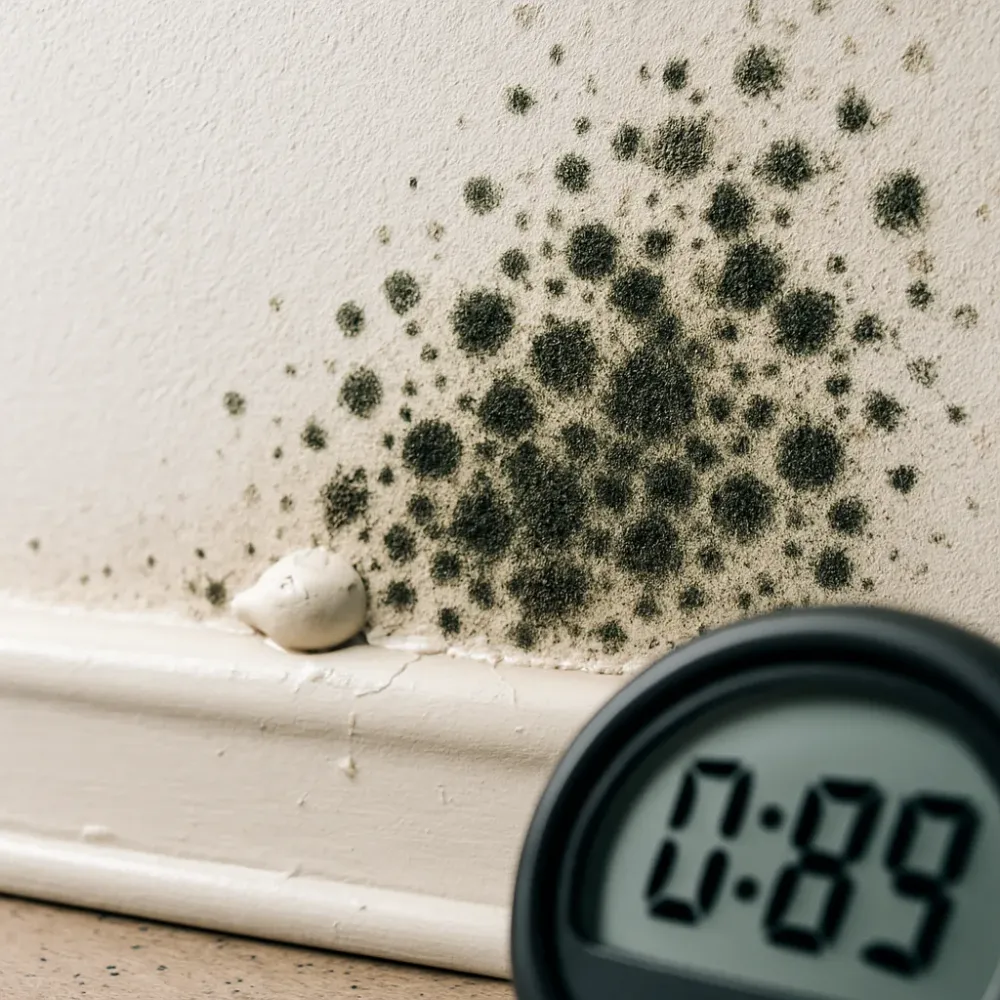
Within the first 24 hours of water exposure, drywall starts to swell. Wood starts to warp. Bacteria climbs fast. Mold can begin growing on wet surfaces in as little as 24 to 48 hours. That is not much time. Gilbert heat can tighten that window even more.
Fire damage works a little different. The clock still matters. Smoke and soot settle into fabric, walls, and ductwork fast. The longer soot sits, the harder it is to clean. We have walked into homes near the San Tan area where the homeowner waited a few days after a kitchen fire. By then, soot had stained surfaces that could have been saved with faster smoke cleanup.
Why Waiting Even One Day Costs You
Most homeowners think they are being careful by taking time to research. That makes sense for plenty of things. Not this. Every day you wait, the work gets bigger. A small water extraction job in one room can turn into structural drying across the whole floor. A little mold behind a vanity can reach the bedroom wall next to it.
Hours matter. Days matter more.
Here is what we usually see after untreated water damage:
- Hours 1-24: Water soaks into flooring, baseboards, and lower drywall. Odors start.
- Hours 24-48: Mold spores wake up. Wood starts swelling. Metal fixtures begin to corrode.
- Days 3-7: Mold colonies show up. Drywall crumbles. Structural wood weakens.
- Week 2 and beyond: Subfloor damage sets in. Hardwood floor water damage repair may no longer be possible, full replacement becomes the only option.
- Month 1+: Health risks rise. The damage now touches more than one part of the home.
That pattern is real. We have documented it in homes across Gilbert from Val Vista Lakes to Agritopia. It shows up the same way when people wait.
And here’s the part most people miss. Your insurance claim gets harder the longer you wait. Insurance companies want to see that you acted fast to prevent further damage. If water sat for a week before anyone was called, they can cut the payout or deny part of the claim. That is not a scare tactic. It is how the process works.
So what should you do? Call the same day you notice the problem. Even if you are not sure how bad it is. A quick mold inspection and testing visit or an initial water damage assessment can show you where things stand. You do not need all the answers first, that part is on us.
If you are dealing with home damage in Gilbert right now, do not let another day pass. Visit our restoration services page to see how we can help you stay ahead of the damage before it spreads further.
The First Hours After Water Damage Are the Most Important
Here is something most Gilbert homeowners do not realize until it is late. Water damage does not wait for you to sort things out. The clock starts the second a pipe bursts or monsoon rain gets through the roof. Every hour after that, the damage spreads in ways you cannot always see.
We have walked into homes near Higley and Guadalupe where the homeowner thought towels and a shop vac had it handled. Two days later, the baseboards were warping and the drywall felt soft. That is not a knock on anyone. It is just what water does when it sits.
The first 24 to 48 hours are your real window. After that, things move fast. Mold can begin growing on wet surfaces in as little as 24 to 48 hours. Gilbert summer heat can shrink that timeline even more. Warm air and trapped moisture make a good home for mold.
What Happens Hour by Hour
Most people picture water damage as a puddle on the floor. The real problem is behind the walls, under the flooring, and inside the ceiling. Here is the rough sequence we see most often:
- Within the first hour, water spreads into carpet padding, grout lines, and any crack it can find.
- By hour four, drywall starts pulling moisture upward like a sponge. Sometimes a foot or more above the visible line.
- Around the 12-hour mark, wood subfloors begin to swell and furniture starts bleeding dye into wet carpet.
- Between 24 and 48 hours, musty odors show up and microbial growth can start in hidden cavities.
- After 48 hours, structural materials weaken and the repair gets harder to pull back.
That timeline is not here to scare you. It is here to help you move faster than the water.
And yes, you can miss a lot from the surface. Most homeowners do.
What You Should Do Right Away
You do not need a full plan in the first hour. You just need a few right moves. Stop the water source if you can. Turn off the main shutoff valve if a pipe burst. Move electronics and valuables off the floor. Call for emergency water extraction before you try to muscle through it alone.
One mistake we see all the time is homeowners pulling up carpet and running hardware store fans. Fans move air, sure. Without structural drying equipment and moisture readings, you are drying the top while the subfloor stays wet underneath. That trapped moisture leads to mold, buckling floors, and bigger repair bills later.
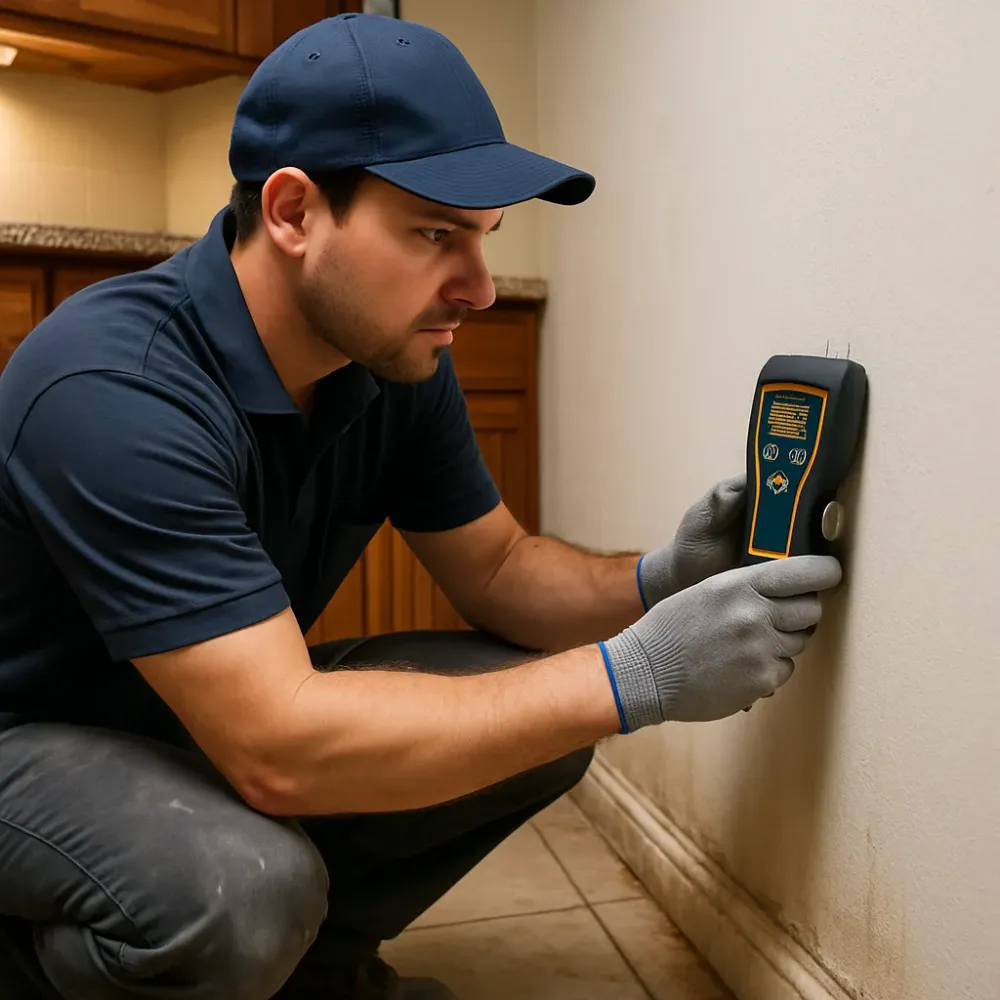
So what should you focus on? Get a professional moisture assessment fast. We use meters that read moisture deep inside walls and under flooring. That tells us where the water traveled, not just where you can see it.
If you are dealing with water in your Gilbert home right now, or you have noticed soft spots in the ceiling or a musty smell that will not go away, do not wait to see if it clears up on its own. It will not. Check out our water damage restoration page to see what the process looks like and how to get help fast.
The homes that recover are the ones where the homeowner called early. Not because they panicked. Because they knew the first hours matter.
Frequently Asked Questions
Common questions about what homeowners wish they knew before dealing with water, mold, or fire damage services in AZ
Does Gilbert’s heat and monsoon season make water damage worse than in other places?
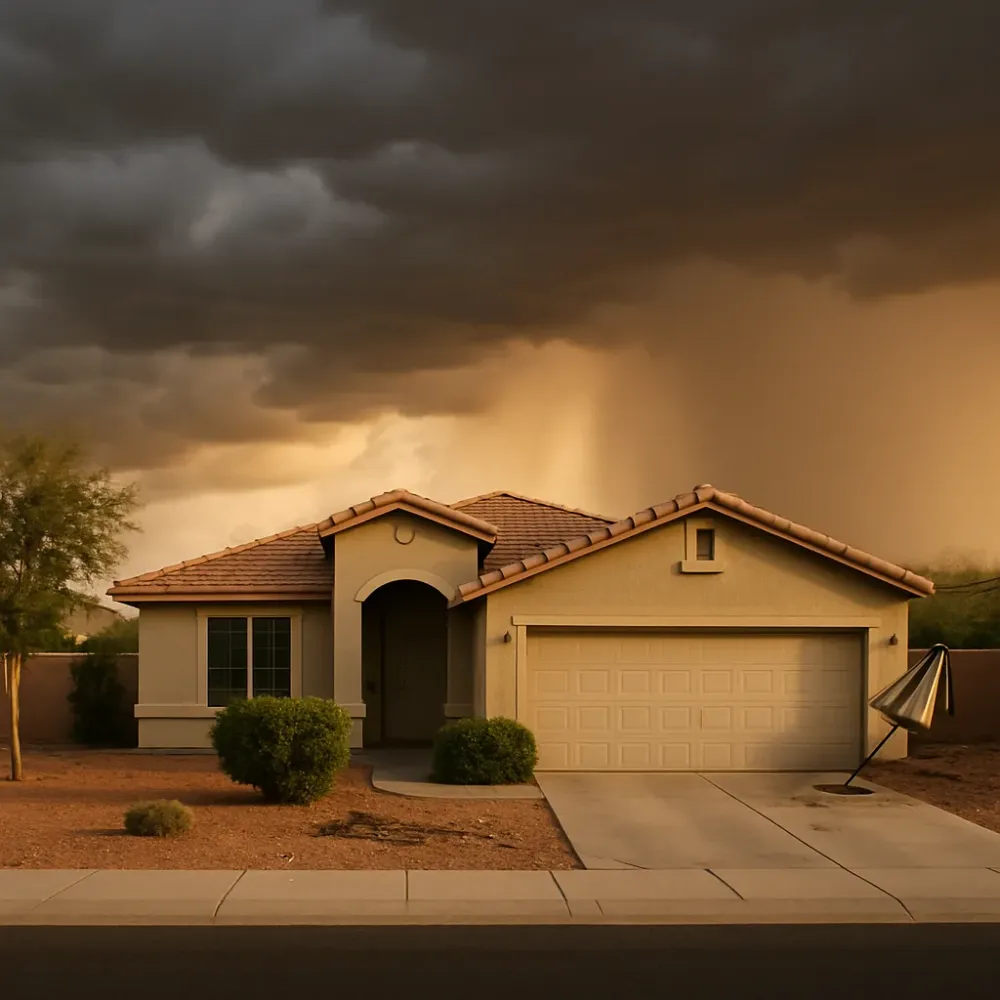
Does Gilbert’s heat and monsoon season make water damage worse than in other places?Yes, Gilbert’s climate makes water damage move faster than in cooler regions. High summer temperatures speed up mold growth and trap moisture inside walls and under flooring. Monsoon storms can push water through roof gaps, window seals, and block walls quickly. That warm, wet combination is exactly what mold needs to grow. In Gilbert, you may have less than 24 hours before mold starts in a soaked wall cavity. Acting the same day you notice moisture is not an overreaction — it is the right call here.
How do I know if I actually have mold or just a musty smell from the heat?
How do I know if I actually have mold or just a musty smell from the heat?A musty smell that stays in one spot — especially near a wall, under a sink, or in a bathroom — usually means mold is already growing somewhere hidden. General heat smells tend to move through the whole house and fade when you open windows. Mold odor does not go away with ventilation. If the smell is concentrated, or you see discoloration on drywall or grout, treat it as mold until a professional inspection says otherwise. Waiting to find out for sure is one of the most common mistakes Gilbert homeowners make.
What is the difference between water mitigation and water restoration?
What is the difference between water mitigation and water restoration?Water mitigation means stopping the damage from spreading — extracting water, drying materials, and preventing mold. Water restoration means repairing what was damaged — replacing drywall, flooring, and structural materials. Mitigation always comes first. If you skip it or delay it, the restoration work gets much bigger and more expensive. Think of mitigation as damage control and restoration as the rebuild. Both matter, but the order matters more. Our water and fire damage restoration services page covers how both steps work together from start to finish.
Can I handle small water damage myself with fans and towels?
Can I handle small water damage myself with fans and towels?Fans and towels can help at the surface, but they do not reach moisture inside walls, under flooring, or in ceiling cavities. That hidden moisture is where mold grows and where structural damage starts. Professional equipment measures moisture levels deep inside materials — not just what you can feel or see. Many Gilbert homeowners think they dried things out, only to find buckling floors or mold colonies two weeks later. For anything beyond a small spill on a hard surface, a professional moisture assessment is worth it.
Does waiting to file an insurance claim hurt my payout after water or fire damage?
Does waiting to file an insurance claim hurt my payout after water or fire damage?Yes, waiting can reduce or even partially deny your claim. Insurance companies expect you to act quickly to stop damage from spreading. If water sat for several days before anyone was called, the insurer may argue that some of the damage was preventable. Document everything the same day — take photos, note the time, and contact your insurer early. Calling a restoration professional fast also shows the insurance company you took the right steps. Fast action protects both your home and your claim.
After a kitchen fire in Gilbert, how long do I have before smoke damage becomes permanent?
After a kitchen fire in Gilbert, how long do I have before smoke damage becomes permanent?Smoke and soot begin bonding to walls, cabinets, and ductwork within hours of a fire. The longer soot sits, the deeper it penetrates and the harder it is to remove without replacing the material entirely. Surfaces that could have been cleaned in the first day or two may need full replacement after a week. Gilbert’s dry air can actually set soot faster by pulling moisture out of surfaces. If you have had even a small kitchen fire, start smoke cleanup the same day — not after the weekend.
Ready to Get Started?
Call now. Call +1-480-956-3500 today.