
Building Restoration & Reconstruction In Gilbert AZ
We are a licensed Arizona contractor with 15+ years experience in building restoration after water, fire, mold, and sewage damage. IICRC certified, licensed, bonded, and insured. We work directly with all major Arizona insurance carriers.
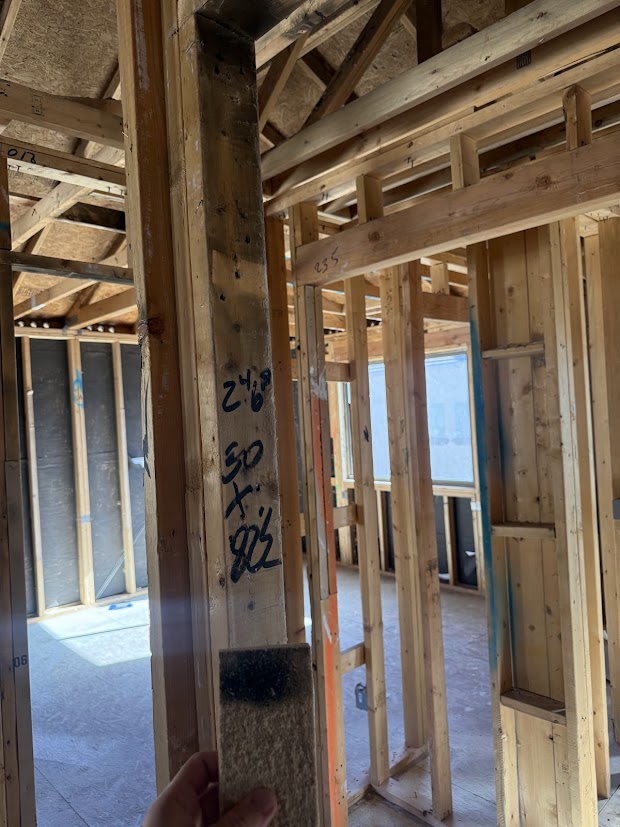
Recent Building Restoration Jobs In Gilbert
Building restoration is what happens after a damage event. Water damage from a slab leak or burst pipe. Fire damage from a kitchen fire. Mold remediation that cut into walls and floors. Sewage backup that took out cabinets and drywall. Below is what restoration actually involves and why having one company handle both phases matters.
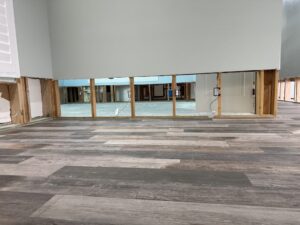
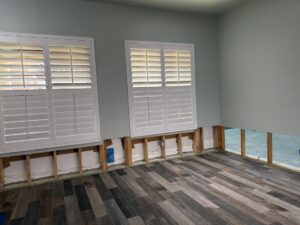
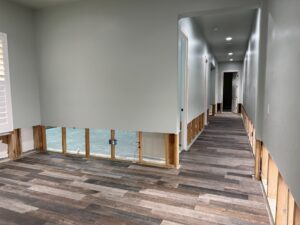
What Building Restoration Actually Means
Every damage job has two phases. Mitigation is the emergency phase. Stop the water, extract it, dry the structure, cut out what’s contaminated. That part takes 3 to 7 days for most jobs. Restoration is everything that comes after. Putting your building back together to pre-loss condition.
Most companies in Gilbert do one or the other. Restoration companies handle the dry-out and hand you a list of contractors for the rebuild. Outside contractors take over without knowing what happened during mitigation. You end up managing two companies, two schedules, two scopes of work, and two adjusters’ worth of paperwork. Timeline drags. Things fall through.
Restoration after water damage
Almost every water damage job needs some rebuild. Drywall along the wet zone. Baseboards. Cabinet kickplates if they got wet. Sometimes whole cabinets if it sat too long. Paint and texture matching. We did a job in Power Ranch last winter where a slab leak hit the kitchen and dining room. Took 6 days to dry, then 12 days for the restoration. New flooring across both rooms, new drywall on the wet walls, new baseboards, matched the existing wall texture, painted everything. One crew start to finish.
Restoration after fire damage
Fire is more involved than water. Drywall, insulation, and texture across affected rooms. Flooring throughout the smoke-affected area. Cabinet replacement when smoke or water from suppression efforts compromised them. Paint with sealing primers to lock in any remaining odor. HVAC cleaning or replacement when smoke contaminated the ductwork. Sometimes structural framing repair where fire damaged load-bearing elements.
Restoration after sewage or biohazard cleanup
Sewage and biohazard cleanup pull out more material than other restoration jobs because Cat 3 water destroys porous materials. The rebuild after sewage is usually more extensive than after clean water damage. Same scope of work but more drywall, more flooring, more cabinetry replacement. Documentation requirements are higher for insurance too.
Restoration after mold remediation
Mold remediation always involves cutting out affected materials. Drywall, insulation, sometimes flooring. Once the remediation is done and clearance testing passes, the rebuild starts.
Residential building restoration
Most of our restoration work is residential. Single-family homes, townhomes, condos. Water damage from slab leaks and burst pipes is the most common driver. Fire damage and mold remediation are the next biggest. Average residential restoration job runs 2 to 4 weeks once mitigation is done depending on scope. Drywall, flooring, paint, cabinetry, trim. Sometimes structural framing repair on bigger jobs. We pull permits when scope requires it and coordinate with the adjuster from start to finish.
Commercial building restoration
Restaurants, offices, medical buildings, retail spaces, and apartments. Commercial restoration scope is bigger than residential and the logistics are different. Property managers, tenants, business owners, and commercial adjusters all involved on the same job. We schedule around operating hours where possible so businesses keep running. After-hours and weekend work when the scope requires it. We handle restaurants with health department coordination, medical buildings with infection control requirements, and apartment complexes with multi-unit damage events.
Interior Painting After Water and Fire Damage
Paint is the last step on almost every restoration job. The walls have been opened, the framing dried, the new drywall hung and textured. Now we match the paint. Gilbert homes use a lot of custom colors that aren’t on a standard fan deck. We scan the existing color, mix to match, and feather the new paint into the existing wall so the patch doesn’t show up under different lighting.
Remodeling During Restoration
A lot of homeowners take a damage event as an opening to upgrade. The kitchen has to come apart anyway after a dishwasher flood, so why not change the cabinet style. The bathroom drywall is open for mold remediation, so this is the time to redo the tile. We handle restoration-driven remodeling routinely. Insurance pays for the like-kind replacement, you pay the upgrade delta out of pocket, and we coordinate both budgets on one scope of work.
Trade Services Included In Our Restoration Scope
Most restoration companies dry the job and hand you off to a contractor for the rebuild. We hold a general contractor license, so we run the rebuild end-to-end. The trades we self-perform stay in-house. Specialty trades like plumbing and roofing get handled by licensed subcontractors we’ve worked with for years, coordinated under our scope.
Drywall repair and replacement
Drywall is the most common rebuild item on water and fire damage jobs. Whatever came out during mitigation gets put back. Texture matched to the existing wall so the repair isn’t visible. Knockdown, orange peel, smooth. Whatever your existing wall has. Paint blends after.
Flooring installation and repair
Hardwood, tile, laminate, LVP, carpet. We dry first when the floor can be saved. Hardwood especially gets a salvage attempt with focused drying before we call it. When replacement is the call, we pull, dispose, install new. Most jobs we keep flooring continuous from room to room so transitions look right.
Painting and finish work
Color matching is where most painters cut corners. We pull a color sample from an unaffected wall and match it before we paint. Sealing primers when there’s been smoke or water staining. Full repaint of affected walls, not just the patch zone, so the finish reads even.
Cabinet and trim replacement
Base cabinets, vanities, kickplates. Water damage takes them out fast. We replace what didn’t make it and rehang doors and hardware. Baseboards, crown, casing all get replaced when affected.
Roofing repair coordination
Clay tile replacement after monsoon damage. Underlayment repair. Roof leak source repair so the interior rebuild doesn’t get wet again on the next storm. Full re-roof scope when storm damage requires it.
Plumbing repair coordination
Slab leak repair, burst pipe replacement, water line reroutes, fixture replacement. We handle plumbing as part of water damage scope so the rebuild isn’t waiting on a separate plumber.
Demolition
Controlled demolition of damaged structures, framing, finishes, and contents prior to rebuild. Documentation for insurance and code-compliant disposal.
Why One Company Doing Both Phases Matters
A few things change when the same company runs mitigation and rebuild.
One scope of work
The mitigation team that cut out every piece of wet drywall, photographed every wet stud, and documented every removed material is the same team writing the restoration estimate. Nothing gets missed because the left hand and right hand are the same hand.
One timeline
Mitigation wraps Friday. Restoration starts Monday. No two-week gap waiting for an outside contractor to schedule us in. Most jobs we run, the restoration phase is already mapped out before the dry-out finishes.
One responsibility
If something goes wrong during the rebuild, you’re not stuck in a finger-pointing match between the mitigation company and the contractor. We own the whole job from day one through final walk-through
How We Handle Building Restoration
Flow State Restoration follows proven protocols for building restoration in Gilbert.
Step 1: Scope
We walk through with property owner and adjuster, once mitigation is done. Document everything that needs to come back. Drywall replacement areas. Flooring scope. Cabinet work. Paint. Trim. Anything affected gets written into the scope.
Step 2: Build the estimate
We create the estimate, submit, the adjuster reviews, anything that needs adjusting we adjust. If hidden damage shows up during demo, we supplement the claim with documentation.
Step 3: Demo and prep
Whatever needs to come out for the rebuild gets removed. Sometimes mitigation already took most of it. Sometimes there’s additional demo for restoration scope. We protect the rest of the building, set up containment if needed, and prep the work zone.
Step 4: Build it back
We fix drywall, texture, paint, trim, flooring, cabinets. Same order any rebuild goes. Permits pulled when the scope requires it. Licensed general contractor so plumbing and roofing work stay in-house. Electrical and HVAC specialists brought in for code-required work. One company coordinating everything.
Step 5: Final walk through
Once the rebuild is done, we walk the job with the property owner. Punch list anything that needs adjusting. Close out the insurance claim with final invoices and documentation. You sign off when you’re satisfied.
Gilbert Neighborhoods We Serve
Flow State Restoration handles building restoration across Gilbert and the East Valley. Different neighborhoods have different construction types and finish levels which affects how we approach the rebuild.
Heritage District has older adobe and custom builds. Matching existing materials matters. Power Ranch, Seville, Cooley Station are production builds with more standardized finishes. Circle G and Whitewing have custom homes where restoration scope involves higher-end finish work. Agritopia, Morrison Ranch, Val Vista Lakes, San Tan Ranch sit in between.
We also handle reconstruction work across Mesa, Chandler, Tempe, Scottsdale, Queen Creek, Ahwatukee, and parts of Phoenix.
Frequently Asked Questions About Building Restoration in Gilbert
Can I upgrade materials during restoration?
Yes, but insurance only pays for pre-loss condition. If you want to upgrade your flooring from carpet to LVP or your countertops from laminate to quartz, that’s an out-of-pocket cost on top of what insurance covers. We handle upgrade billing separately so the insurance claim stays clean.
Do you handle commercial building restoration?
Yes. Restaurants, offices, medical buildings, retail, apartments. Same restoration scope as residential but with different logistics. We work with property managers and commercial insurance to keep operations running while we work.
What about hidden damage discovered during demo?
We supplement the claim with documentation. Hidden damage behind walls or under flooring isn’t unusual on bigger jobs. The adjuster sees photos, measurements, and a clear scope of additional work. Most supplements get approved without much back and forth.
Does insurance cover restoration?
Yes, in most damage cases. Your homeowner’s policy covers restoration back to pre-loss condition as part of the loss claim. The mitigation phase and restoration phase are usually billed separately but covered under the same claim number. We bill insurance directly when authorized.
Explore some of our related services below to handle other damages
Need Building Restoration In Gilbert? Call Now.
One company through the whole job. Mitigation, dry-out, and restoration under one roof. We can be there in 60 mins across Gilbert and east valley.