
Soot Removal in Gilbert
Our soot removal service in Gilbert eliminates smoke residue from walls, ceilings, HVAC systems, and surfaces.
We restore homes after fire damage in Power Ranch, Agritopia, Morrison Ranch, Val Vista Lakes and Nearby areas.
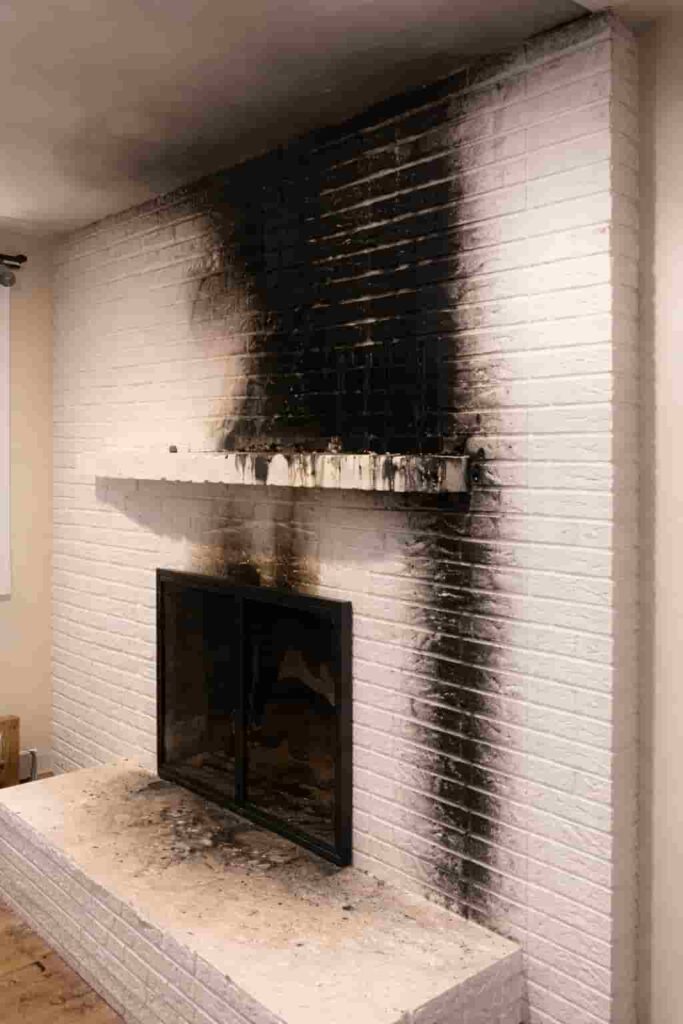
The Soot Damage We Remove Most in Gilbert
Gilbert’s desert environment and common fire scenarios produce challenging soot patterns that spread rapidly through homes via our constantly running HVAC systems.
Fireplace and Chimney Soot
Puffbacks occur when chimneys backdraft – sending black clouds throughout living spaces in seconds. We remove greasy, acidic soot that coats everything from white sofas to electronics. Desert winds create downdrafts that push soot inside even properly maintained chimneys. This oily residue bonds to surfaces within hours, requiring immediate professional removal before permanent staining occurs.
Fire Soot Residue
Kitchen fires produce nearly invisible soot that’s deceptively destructive. That burnt turkey or forgotten bacon creates light-colored residue coating every surface. This type of soot penetrates plastics and fabrics deeply. Without proper removal, protein soot causes persistent odors and discoloration that painting can’t fix. Professional cleaning prevents costly replacement of affected items.
Furnace and HVAC Soot
Malfunctioning furnaces distributes black soot throughout Gilbert homes via ductwork. Those aging heating systems struggling through our rare cold snaps can suddenly create soot clouds. We trace contamination paths through entire HVAC systems – return air pulls soot everywhere within hours. This petroleum-based soot requires careful removal to prevent smearing and permanent damage to surfaces.
How We Handle Professional Soot Removal
Soot particles are acidic and continue damaging surfaces until properly removed. Flow State Restoration employs scientific removal methods that protect your property while ensuring complete decontamination throughout Gilbert homes.
Step 1: Soot Type Testing and Mapping
We evaluate fire soot contamination extent throughout your fire-damaged property using specialized equipment to identify fire particle types and determine appropriate fire restoration techniques for different surfaces.We identify soot composition using field tests – oily, dry, or protein-based soot each require different approaches. pH testing reveals acidity levels determining cleaning urgency. Using high-intensity lighting, we map soot patterns including invisible residue. Particle counters measure airborne contamination levels. This analysis creates targeted removal strategies preventing damage from wrong cleaning methods.
Step 2: Dry Soot Extraction Process
HEPA vacuuming removes loose particles without embedding them deeper – regular vacuums make soot worse by spreading it. Chemical dry cleaning sponges lift soot from walls and ceilings without moisture that causes staining. We clean from top-down systematically, preventing recontamination of cleaned areas. Delicate surfaces get specialized treatment preventing damage while removing all residue. This dry phase captures 80% of contamination safely.
Step 3: Wet Cleaning and Neutralization
Specialized soot cleaners break molecular bonds without damaging surfaces – standard cleaners just spread oily soot around. We apply appropriate cleaning agents based on surface types and soot composition. Neutralizing agents stop ongoing acid damage to metals and finishes. Multiple cleaning passes ensure complete removal – soot often requires 3-4 treatments. This phase eliminates embedded contamination and prevents ghosting.
Step 4: Surface Sealing and Protection
Remaining odor molecules get sealed using specialized primers when necessary. HVAC systems receive complete cleaning removing all soot traces. Air scrubbers run continuously capturing any disturbed particles. Final inspection using UV light reveals any missed contamination. Most soot removal projects complete within 2-4 days depending on severity and spread.
Gilbert Neighborhoods We Serve
Flow State Restoration provides soot removal services throughout Gilbert’s diverse communities:
Gilbert Neighborhoods We Cover
Morrison Ranch, Heritage District, Agritopia, Circle G Ranches, Whitewing, Power Ranch, Seville, Val Vista Lakes, San Tan Ranch, Finley Farms, Cooley Station, Santan Village
Frequently Asked Questions About Soot Removal in Gilbert
How do you remove soot from walls?
Here’s a pro tip: never start with water. Use a vacuum with a brush attachment or those chemical dry sponges first. Then you can use special cleaners. Always work top to bottom – so that you don’t recontaminate clean areas.
What is the best soot remover?
Those rubber dry-cleaning sponges are worth their weight in gold for initial cleaning. For washing, TSP substitute cleaners work great. Stay away from regular household cleaners – they often just smear the mess around.
Is soot removal dangerous?
Yes, it is when you are trying to do that without using any protection.You need proper masks, gloves and ventilation.
Can soot damage be permanent?
Unfortunately, yes if you wait too long. Soot]s acidity permanently etches surfaces. I’ve seen it ruin hardwood floors and etch glass in just a couple weeks. Quick action can save most things though.
How to clean soot from furniture?
Hard furniture follows the same rules – dry cleaning first. For upholstery use gentle vacuuming with the right attachment. Many fabric pieces need professional cleaning. Test any cleaner in a hidden spot first to avoid making it worse.
Explore some of our related services below to handle other damages
Soot Contaminating Your Property?
When fire soot contamination affects your Gilbert property, reach out to us.