Rated 5⭐ by Homeowners | 15+ Years Experience | IICRC Certified
Phone: (480) 956-3500 | 1733 E Aspen Way, Gilbert, AZ 85234

Sewage Cleanup In Gilbert AZ

Our sewage cleanup services in Gilbert safely removes contaminated water and disinfects your home after backups or overflows. We fix toilet overflows, sewer backups, septic failures and mainline surcharges. Available 24/7 in Gilbert & Nearby Areas.

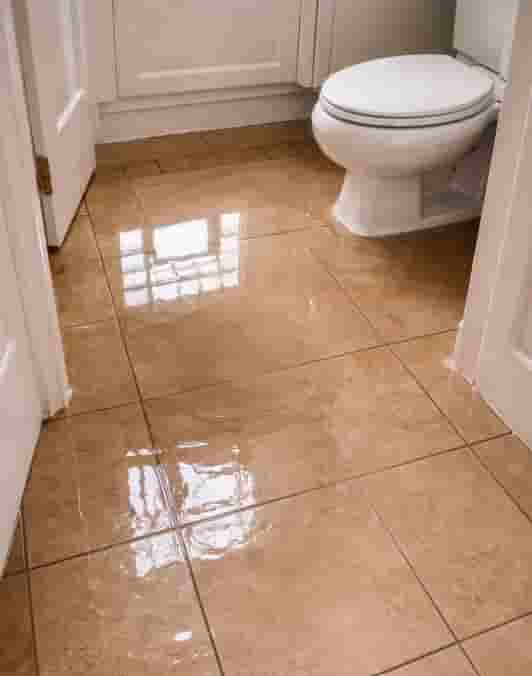
Sewage overflowing in gilbert toilet

The Sewage Disasters We Clean Most in Gilbert

Our aging sewer infrastructure, monsoon overwhelm, and hard water deposits create specific sewage backup scenarios that demand immediate professional response.

Sewer Backup Through Floor Drains

A lot of the older Gilbert neighborhoods, anything built before the mid-90s, still have clay sewer lateral running out to the city main. Clay cracks. Tree roots find the cracks. Hard water leaves scale inside. By the time the homeowner notices, there’s already raw waste sitting on the floor. Sewer backup cleanup is one of the most common calls we run in Gilbert, especially in the Heritage District and the older Circle G lots.

Toilet Overflow Cleanup

Upstairs toilet overflow is one of the common calls we get. Wax ring fails, kid flushes a toy that lodges in the trap, ejector pump dies in the middle of the night, and now you’ve got Category 3 black water coming through the dining room ceiling. We’ve cut down a lot of ceilings in Gilbert for exactly this reason. Once sewage is in the drywall, that drywall’s going in a bag. A toilet overflow that hit hardwood or wall cavities is never a mop-and-bucket job, no matter how small it looks on the surface.

Septic System Cleanup (Queen Creek, East Gilbert, County Islands)

Not everybody around here is on city sewer. Plenty of properties out east, county islands, parts of Queen Creek, older Gilbert acre lots, are still on septic. When the tank backs up or the leach field gives out, sewage comes back into the house the same way a mainline backup would. Except now you’ve also got a tank problem to deal with after we’re done with the cleanup inside. We handle the inside contamination side. Extraction, cut-out, disinfection, dry-out, rebuild.

Sewer Backups During Monsoon

Once monsoon hits (mid-June through end of September), the city sewer system gets pushed hard. Heavy rain combined with everyone’s irrigation running can surcharge the mains. We see a spike in backup calls every July and August. Homes where the city main pushes waste back uphill into the lowest fixture in the house.

Commercial Sewage Cleanup

Grease line failures in restaurant kitchens are a regular call. Multi-tenant buildings where one unit’s backup contaminates shared walls and common areas. We work with property managers on the documentation side for insurance. We can shut down the affected zone, set up containment, and let the rest of the building keep operating while we work.

Why Sewage Is Not Like Other Water Damage

This is the part homeowners usually don’t know going in. Water damage has three categories. Cat 1 is clean water, broken supply line, water heater leak. Cat 2 is gray water, washer overflow, dishwasher backup. Cat 3 is black water, which is what we’re dealing with on every sewage call. Every toilet overflow, every sewer backup, every septic failure. All of it is Cat 3 the second it leaves the pipe.

If sewage touched it, it’s getting cut out and bagged. There’s no negotiating with Cat 3. This is what biohazard sewage cleanup actually means in practice. It’s not a marketing word, it’s a different protocol with different equipment, different PPE, and different disposal rules. The IICRC S500 standard backs this up, and so does every insurance adjuster who knows what they’re looking at.

How We Handle Sewage Cleanup

Every sewage incident requires specialized safety procedures. The approach for black water differs completely from standard water damage. 

Step 1: Hazmat Assessment

We arrive in protective equipment immediately. We test contamination levels and identify all affected areas. Using ATP testing and black lights, we map contamination spread.

Step 2: Extract and Remove

We are not going to mess around with your family’s health. Our crews pump out the sewage first, then take out everything contaminated – carpet, pad, drywall etc. Yeah, it hurts watching your flooring go out, but there’s no safe way to save materials that soaked up raw sewage.

Step 3: Disinfect and Sanitize

Now comes the deep clean. We use proper disinfectants on impacted surfaces. Then we use steam cleaning and HEPA air scrubbers to ensure that there is no contamination in the air.

Step 4: Test and Restore

We take air quality samples to ensure safety before rebuilding. Complete restoration includes new materials to pre-loss condition.

Gilbert Neighborhoods We Serve

Flow State Restoration provides sewage cleanup services throughout Gilbert’s diverse communities

Gilbert Neighborhoods We Cover

Morrison Ranch, Heritage District, Agritopia, Circle G Ranches, Whitewing, Power Ranch, Seville, Val Vista Lakes, San Tan Ranch, Finley Farms, Cooley Station, Santan Village

Frequently Asked Questions About Sewage Cleanup in Gilbert

Sewage cleanup isn’t a mop-and-bucket job – it’s hazmat-level work. We show up in full protective gear because this stuff will make you seriously sick. First, we extract all standing sewage with specialized pumps that won’t clog from solids. Everything porous that sewage touched gets bagged in biohazard bags and thrown out – carpet, pad, drywall up to 2 feet above water line, furniture, everything. After that, we pressure wash all hard surfaces with industrial disinfectant. Then we apply EPA-registered antimicrobials. We use air scrubbers to remove any airborne contamination. We fog the entire area with proper disinfectant. Finally, we test surfaces to verify sanitization. The whole area gets dried with commercial equipment.

Standard policies usually DON’T – you need additional sewer backup coverage. This coverage handles sewage coming back through drains, toilets, or pipes. Without it, you’re paying out of pocket for that $10,000 cleanup. Even with coverage, check your limits – some policies cap at $5,000 or $10,000 for sewage, which might not cover everything. Sewage from external flooding isn’t covered even with backup coverage – that needs flood insurance. Some policies exclude sewage caused by tree roots if you knew about the problem. Document everything immediately and call insurance within 24 hours. The longer sewage sits, the more likely insurance finds reasons to reduce coverage. We help navigate these claims daily and know exactly how to document for maximum coverage.

In Gilbert, main culprits are tree roots and old clay pipes. Those beautiful mesquite and palo verde trees send roots straight to sewer lines for water. Old neighborhoods in Gilbert have old clay pipes that crack and collapse. During monsoons, city mains get overwhelmed and push sewage back into homes through floor drains. Grease buildup from cooking clogs lines – we see this constantly in older Gilbert homes. Flushing wrong items – “flushable” wipes aren’t flushable, neither are feminine products. Broken sewer lines from shifting soil (super common here with our expanding clay). Bellied pipes where sections sag and collect waste. Sometimes neighbors’ problems become yours in connected sewer systems. New construction nearby can damage existing lines. Septic system failures in county island areas. Main line clogs often hit multiple houses on the same street simultaneously.

Professional disinfection is the only safe option, but here’s what we do: First, remove everything contaminated – no exceptions for “sentimental value.” Apply initial disinfectant to stop bacterial spread. Pressure wash all surfaces with hot water and industrial cleaners. Apply EPA-registered antimicrobials that specifically kill sewage pathogens – not regular household bleach. Let chemicals dwell for required contact time (usually 10+ minutes). Scrub all surfaces again, including areas sewage might have splashed. Fog entire area with hospital-grade disinfectant to reach hidden spaces. Then we HEPA vacuum all surfaces after drying and apply final antimicrobial coating. Test surfaces with ATP meters to verify sanitization. Run HEPA air scrubbers for 48+ hours minimum. Replace all HVAC filters that might have contamination. The process takes 2-3 days minimum for proper kill time and verification. Anything less is just spreading germs around.

Is Sewage Threatening Your Home In Gilbert?

Every hour you delay allows dangerous bacteria to spread from sewage. Act quickly.

Explore some of our related services below to handle other damages