
Water Damage Restoration Process: Every Step Explained for Gilbert Homeowners
Our team handles emergency water damage, fire damage cleanup, and mold remediation with rapid response, advanced drying equipment, and proven restoration methods to protect your property and prevent further damage.
What’s Covered on This Page
- What Happens Before the Restoration Crew Arrives
- Step 1 and Step 2: Inspection and Water Damage Assessment
- Step 3: Water Extraction Gets the Bulk of the Water Out Fast
- How does Gilbert’s monsoon season affect the type of water damage in my home?
- Can I dry out water damage myself instead of calling a professional?
- What is the difference between water damage categories, and why does it matter?
- Why do restoration crews check rooms that don’t look wet?
- Does Gilbert’s dry climate mean water damage is less serious than in humid states?
- What should I document before the restoration crew arrives at my Gilbert home?
Need water damage restoration process: every step explained?
Call now. Call Flow state now.
What Happens Before the Restoration Crew Arrives
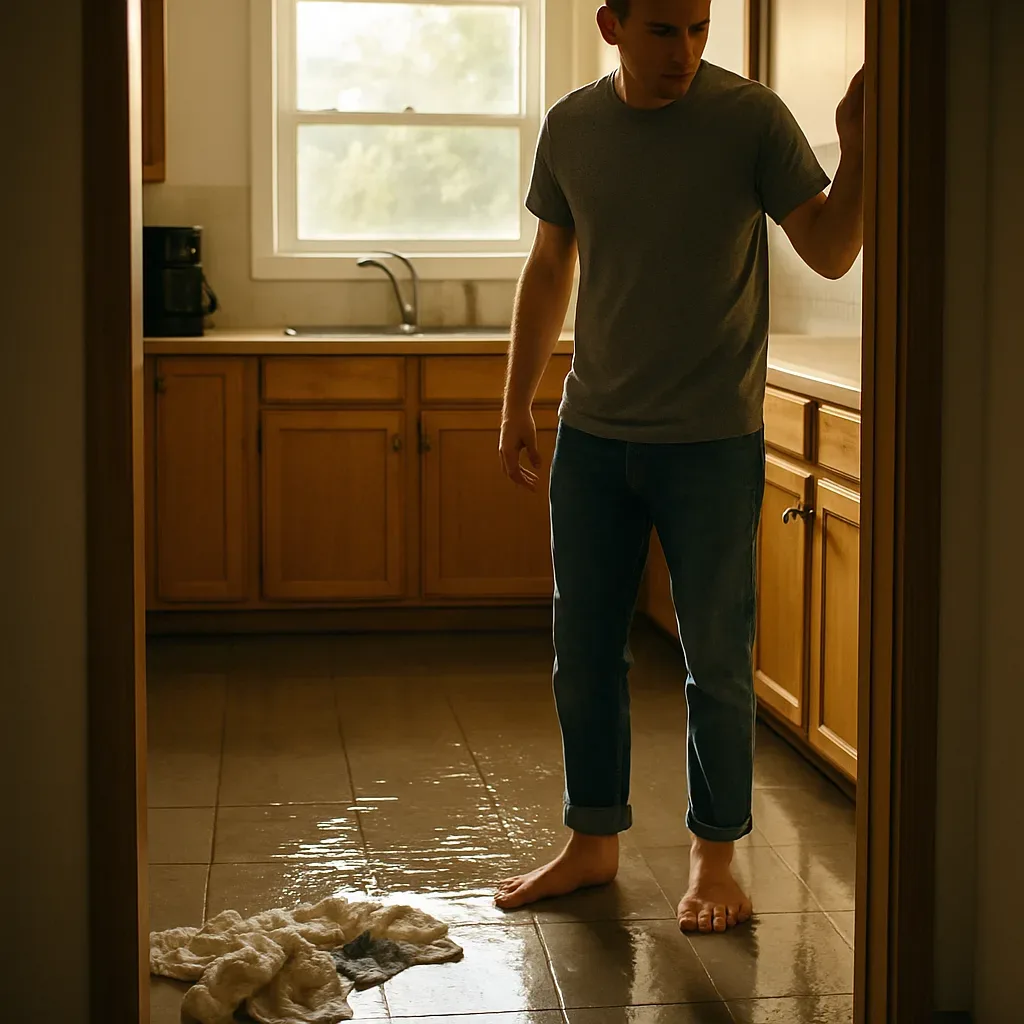
You just found water where it should not be. Maybe it is pooling on the kitchen floor. Maybe you hear dripping behind a wall. Your heart is racing, and you are grabbing towels before you even think.
Take a breath. The next 30 to 60 minutes matter a lot.
Before any restoration crew shows up at your Gilbert home, there are a few things you can do to limit the damage. Most homeowners do not realize how much they can still control in that short window.
Stop the Water Source
If you can reach the shutoff valve safely, turn off the water. A burst pipe keeps feeding the problem every second it stays on. Most Gilbert homes have the main shutoff near the front of the house or by the water heater. Find yours before you ever need it.
Can’t find it? Do not crawl into standing water to look.
Protect What You Can
Move small furniture off wet carpet. Lift curtains and fabric off the floor. If water is near electronics, unplug them at the outlet. We see people try to save everything at once, and that usually leads to a slip or a hurt back.
Focus on what is easy to grab:
- Family photos and important documents
- Small electronics like laptops or tablets
- Shoes, bags, and anything leather
- Pet supplies and medications
Leave the heavy stuff. A soaked couch is not worth a back injury. We handle the big items when we arrive.
Document Everything
Pull out your phone. Take photos and short videos of every room with visible water. Get close-ups of the water line on walls, the leak source if you can see it, and any belongings that are already damaged.
This step helps more than people think. Your insurance company will want proof before cleanup starts. We have worked with homeowners near Val Vista and Lindsay Road who lost coverage help because they did not snap a few pictures first. It takes two minutes, and it can save you a headache later.
Call for Help Early
Do not wait to see if the water dries on its own. In Gilbert’s dry heat, people assume moisture disappears fast. Water that gets under tile or into drywall does not behave like a puddle on concrete. According to the Institute of Inspection, Cleaning and Restoration Certification, mold can begin growing in as little as 24 to 48 hours after water exposure.
So the sooner you call for emergency water extraction, the better.
And here is something most people miss. Even if the visible water looks small, the damage behind the wall or under the flooring could be worse. We have pulled back baseboards in homes near downtown Gilbert and found soaked insulation that had been wet for days before the homeowner noticed anything on the surface.
Before re-entering any area with significant flooding, it is important to know what hazards to check for first. The safety guide for re-entering a flooded home from the National Association of Certified Home Inspectors covers the key steps to protect yourself before you go back inside.
While you wait for the crew, open windows if the air outside is dry. Turn on ceiling fans. Do not use a regular household vacuum on standing water. It is not built for that, and it can be dangerous.
The goal right now is not to fix everything. It is to slow the damage down and set the crew up for a faster start. Every smart step you take before they arrive makes the water damage restoration process move smoother from the first minute.
Step 1 and Step 2: Inspection and Water Damage Assessment
You just found water where it should not be. Maybe it is pooling on the kitchen floor. Maybe there is a dark stain spreading across the ceiling. Your heart is racing, and you want someone there now.
But here is the part most people miss. Jumping straight to cleanup without a proper inspection can make things worse.
Step 1: The Initial Inspection
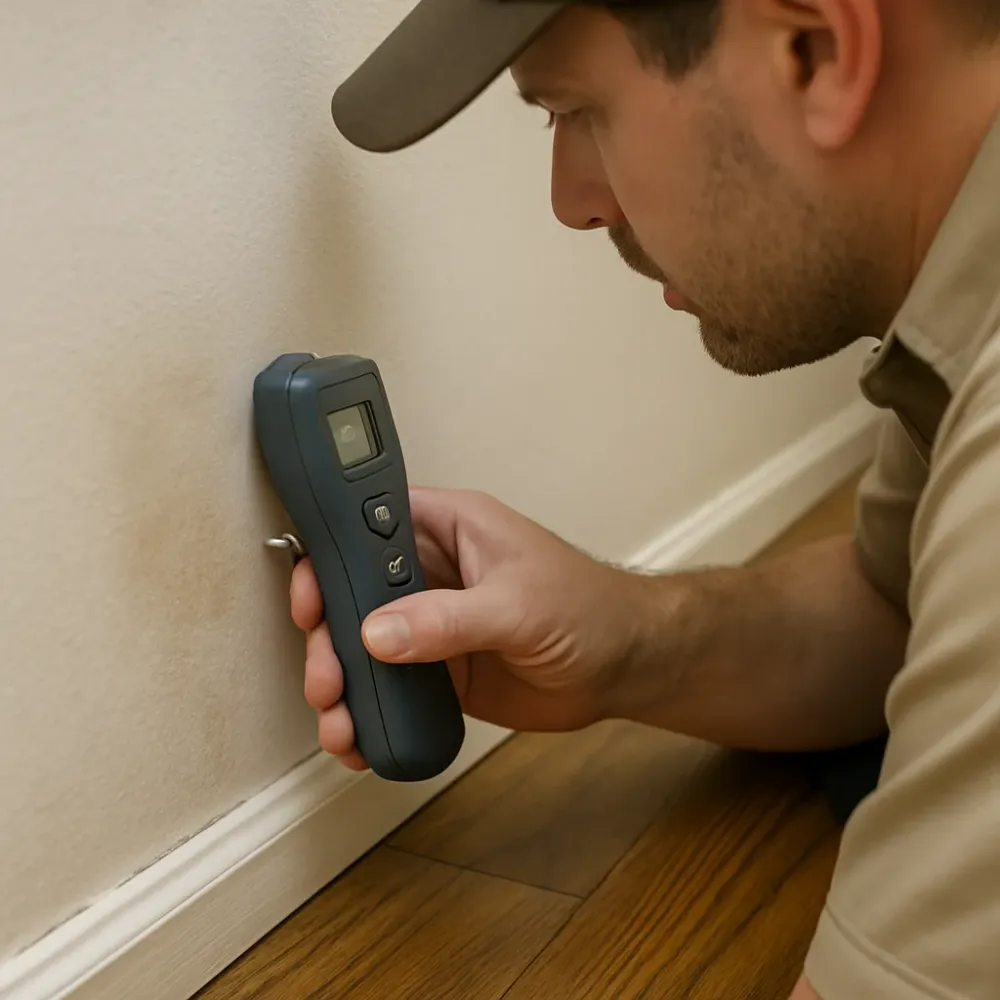
The first thing we do when we walk into a Gilbert home is look. Not just at the obvious puddle or the soaked carpet. We check walls, baseboards, cabinets, and spots you would never think to look. Water travels. It follows gravity, slips along pipes, and wicks up drywall like a sponge.
We use moisture meters and thermal imaging cameras to find hidden water. These tools show us what is wet behind the walls and under the floors. You cannot see it with your eyes. By the time you notice a stain, the damage is already inside the wall.
In Gilbert homes near San Tan Village and in older neighborhoods around Downtown, we often find water that has moved far from the original source. A burst pipe in one room can affect three rooms. So the inspection covers the whole property.
Here is what we are looking for during the inspection:
- The water source and whether it has been stopped
- How far the water has spread into hidden spaces
- Signs of mold growth or conditions that could lead to mold
- Structural concerns like warped framing or soft subfloor
- Safety hazards including electrical exposure or contaminated water
Every detail matters. Missing even a small pocket of moisture behind a cabinet can lead to mold within 24 to 48 hours, according to the EPA.
Step 2: The Water Damage Assessment
Once where the water is, we classify it. This is not just paperwork. The category and class of water damage shape the rest of the water damage restoration process.
There are three categories of water. Category 1 is clean water from a supply line or faucet. Category 2 is gray water from appliances or overflows. Category 3 is the worst. That is sewage, floodwater, or anything with serious contaminants. Gilbert’s monsoon season brings Category 3 situations more often than people expect.
And the class rating? That tells us how much of the room is affected.
- Class 1 means a small area with minimal absorption into materials.
- Class 2 involves a whole room with water wicked up the walls less than 24 inches.
- Class 3 means water came from overhead, soaking walls and ceilings.
- Class 4 involves specialty materials like hardwood, stone, or concrete that hold water deep inside.
We see Class 2 and Class 3 situations all the time after roof leaks during summer storms here.
This assessment gives us the road map. It tells our crew what equipment to bring in, how hard the drying needs to hit, and how long the job will take. It also gives you the paperwork you need if you are filing an insurance claim. We handle direct insurance billing and claim help for water damage all the time, so what adjusters want to see.
Most homeowners want to skip this part. They just want the water gone. We get it. But rushing past the assessment is like a doctor skipping the X-ray. You might treat the wrong problem, and you might miss something serious. A solid inspection and assessment protect your home and your wallet.
Step 3: Water Extraction Gets the Bulk of the Water Out Fast
Here is the part most people do not realize. Standing water does not just sit there. It keeps soaking into your subfloor, your drywall, and your baseboards. Every minute counts. That is why emergency water extraction is the most time-sensitive part of the whole water damage restoration process.
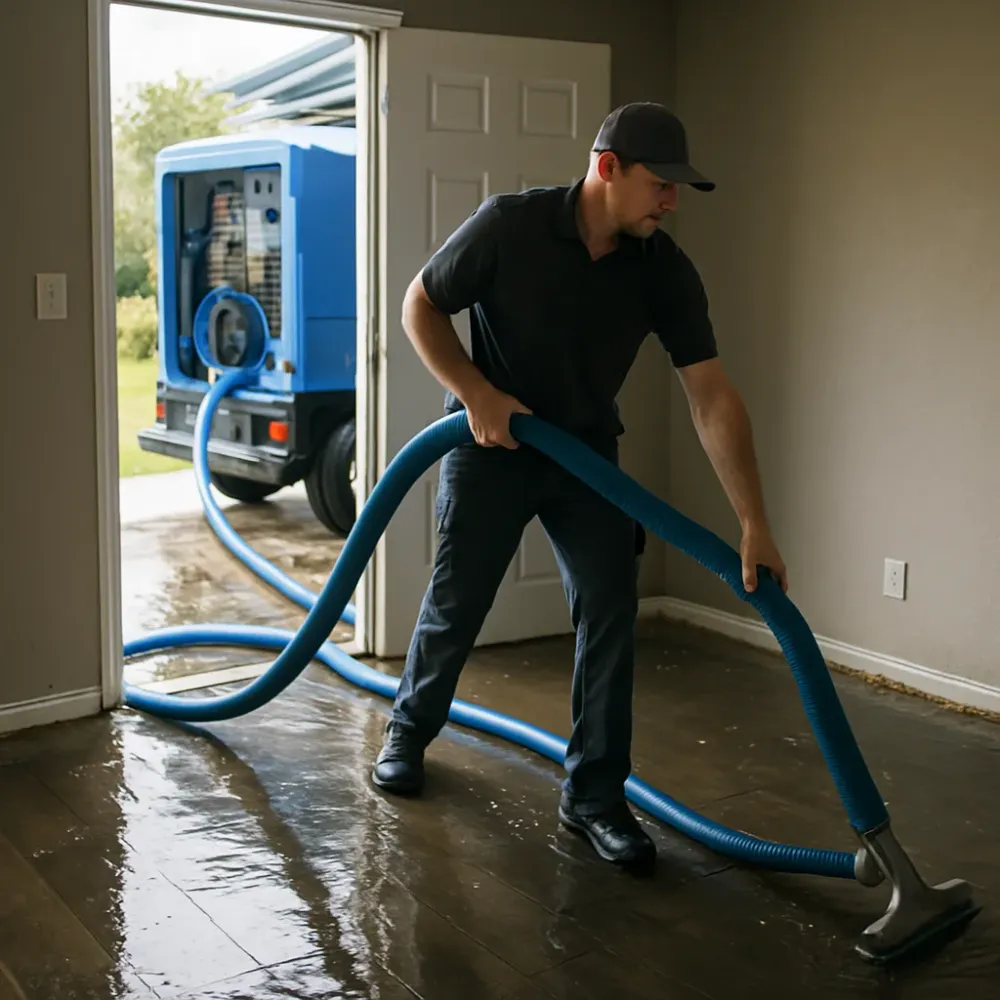
Once the source is controlled and the inspection is done, we bring in the heavy equipment.
What Happens During Extraction
Water extraction means physically removing the standing water from your home. We are not talking about a shop vac from the garage. Professional truck-mounted extractors can pull hundreds of gallons per hour. For a typical Gilbert home with a burst pipe or a flooded kitchen, that kind of power makes a real difference.
Here is what the process looks like step by step:
- Crews position portable extractors and truck-mounted units based on the layout of your home and the amount of water present.
- Extraction wands pull water from carpets, padding, tile, and hard surfaces, room by room.
- Weighted extractors press deep into carpet fibers to remove water trapped underneath.
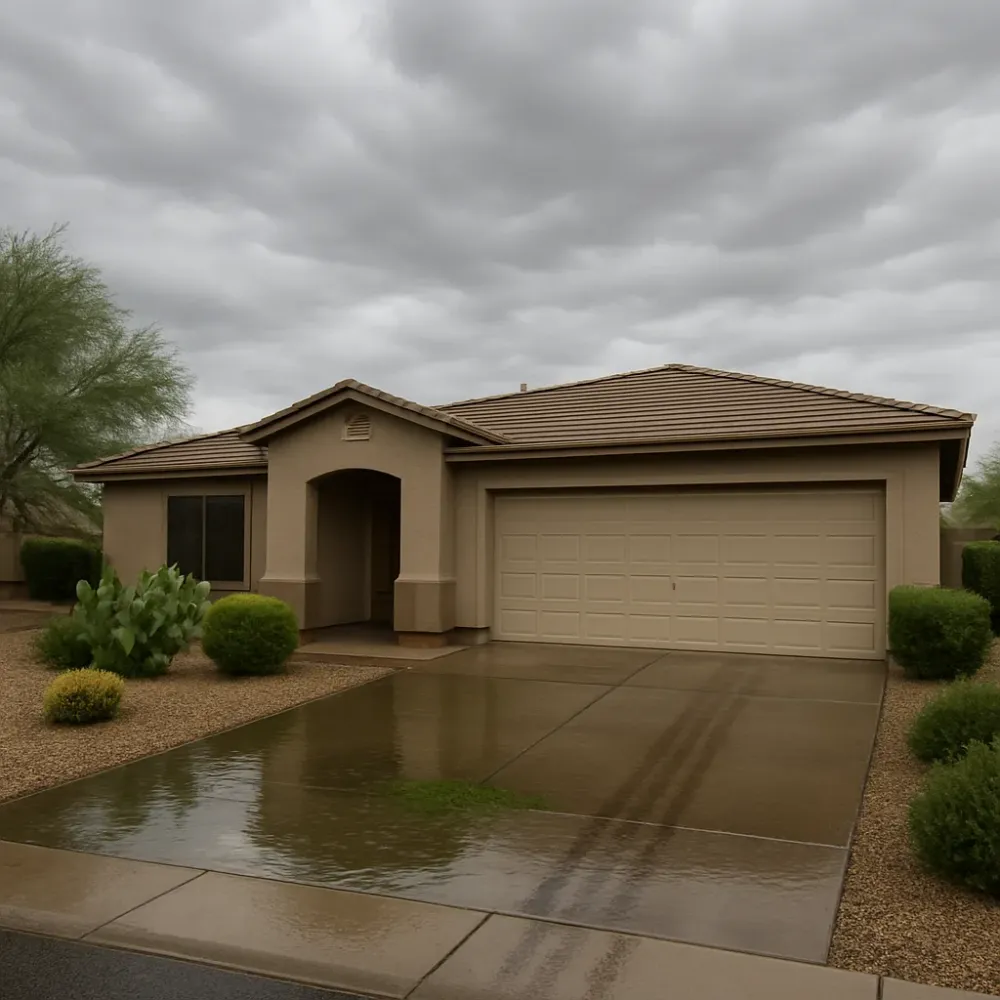
- Submersible pumps handle deeper flooding, like when a monsoon pushes water into a garage or a lower room near the Val Vista corridor.
- Crews check behind cabinets and inside wall cavities for hidden pooling that standard extraction might miss.
Speed matters here more than any other step. The Institute of Inspection, Cleaning and Restoration Certification says mold growth can begin within 24 to 48 hours of water exposure. So getting the bulk of the water out fast is not just about comfort. It helps prevent a second problem from starting.
Why It Is Not as Simple as It Looks
We see this mistake all the time. A homeowner mops up what they can see and figures the rest will dry on its own. Water hides. It gets under laminate flooring. It wicks up drywall. In Gilbert homes built on slab foundations, water can move sideways under baseboards and end up in a room you did not even know was affected.
And here is something specific to our area. Gilbert’s dry heat fools people into thinking evaporation will handle it. The surface might feel dry in a day, but moisture trapped inside materials does not dry the same way. That hidden moisture is what leads to mold, warped floors, and structural damage weeks later.
One situation we run into a lot: a family in Power Ranch comes home to a soaked kitchen from a supply line failure under the sink. They towel it up, run a fan overnight, and call it good. Two weeks later there is a smell. By then the water has been sitting inside the wall cavity behind the dishwasher. What could have been a straightforward extraction job now means mold inspection, testing, and drywall removal.
That is why professional water extraction matters so much.
What You Can Do While Waiting
If you are dealing with standing water right now, there are a few safe things you can do before crews arrive:
- Move furniture off wet carpet to prevent staining and more absorption
- Place aluminum foil under wooden furniture legs to block moisture transfer
- Open windows if it is safe and the air outside is dry
- Do not use your household vacuum on standing water
Do not wait too long to call for help. The faster professional extraction starts, the less damage you will deal with later. If you want to see how this step fits into the full water damage restoration process, our main service page walks through everything we do from start to finish.
Extraction alone will not finish the job. It removes the bulk of the water, the stuff you can see and feel. What comes next is structural drying, and that targets the moisture you cannot.
Frequently Asked Questions
Common questions about water damage restoration process: every step explained services in AZ
How does Gilbert’s monsoon season affect the type of water damage in my home?
Gilbert’s monsoon season often brings the most serious type of water damage — Category 3. That means floodwater mixed with contaminants, not just clean water from a broken pipe. Monsoon water can carry debris, bacteria, and sewage overflow into your home. This changes how the restoration crew treats your space. More protective gear, stricter disposal rules, and deeper cleaning are all required. If you see storm water entering your home, do not wade through it. Call for help right away.
Can I dry out water damage myself instead of calling a professional?
You can slow the damage, but you cannot fully dry it yourself. Household fans and towels only reach surface moisture. Water hides inside walls, under flooring, and behind cabinets. In Gilbert’s dry heat, it feels like things are drying fast — but that is misleading. Hidden moisture stays trapped and can grow mold within 24 to 48 hours, according to the EPA. Professional equipment like industrial air movers and dehumidifiers pulls moisture from deep inside building materials. DIY drying often leaves wet spots behind that cause bigger problems later.
What is the difference between water damage categories, and why does it matter?
Water damage is sorted into three categories based on how contaminated the water is. Category 1 is clean water from a supply line. Category 2 is gray water from appliances or sink overflows. Category 3 is the most serious — sewage, floodwater, or anything with harmful contaminants. The category determines how the restoration crew protects your home and handles materials. Category 3 water often means affected materials like drywall or carpet must be removed, not just dried. Understanding this helps you know why the process takes the time it does. You can learn more about each step on our water damage restoration page.
Why do restoration crews check rooms that don’t look wet?
Water travels far from where it starts. It follows gravity, runs along pipes, and soaks into drywall before you see any surface sign. In Gilbert homes near San Tan Village and Downtown, we regularly find water in rooms that look completely dry. Moisture meters and thermal cameras show us what your eyes cannot. A burst pipe in one room can affect two or three others. Skipping those rooms during inspection means hidden moisture gets left behind — and that leads to mold, soft subfloor, and bigger repairs down the road.
Does Gilbert’s dry climate mean water damage is less serious than in humid states?
No — and this is one of the most common mistakes Gilbert homeowners make. The dry heat can actually mask water damage. Surfaces dry quickly on the outside, which makes it easy to think the problem is gone. But water trapped under tile, inside walls, or beneath flooring does not evaporate the same way. Mold can still grow in as little as 24 to 48 hours after exposure, according to the Institute of Inspection, Cleaning and Restoration Certification. Do not let the desert climate give you a false sense of security after a water event.
What should I document before the restoration crew arrives at my Gilbert home?
Take photos and short videos of every room with visible water before anything is moved or cleaned. Get close-ups of the water line on walls, the leak source if you can safely see it, and any damaged belongings. This documentation is what your insurance company will ask for before approving your claim. Homeowners near Val Vista and Lindsay Road have lost coverage help simply because they skipped this step. It takes about two minutes and can make a real difference when it is time to file.
Ready to Get Started?
Call now. Call +1-480-956-3500 today.