
Water Damage Restoration in Downtown Mesa AZ Near the Main Street Arts District
Our team handles emergency water damage, fire damage cleanup, and mold remediation with rapid response, advanced drying equipment, and proven restoration methods to protect your property and prevent further damage.
What’s Covered on This Page
- Water Damage Restoration for Homes and Buildings in the Main Street Arts District
- How Our Team Reaches the Downtown Mesa Area from Gilbert
- What Makes Downtown Mesa Buildings Unique for Water Damage Work
- How quickly can you reach homes near the Main Street Arts District when water damage hits?
- Why do older buildings along Main Street seem to hold water damage longer than newer construction?
- Is street parking and access a problem when you respond to calls in the tight blocks around MacDonald and Hibbert?
Water Damage Restoration for Homes and Buildings in the Main Street Arts District
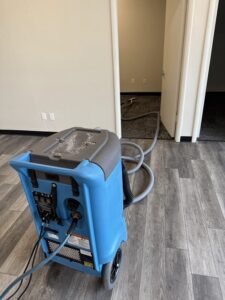
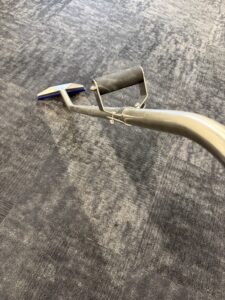
The mix of old and new buildings along Main Street makes water losses tricky. Some of these places go back to the early 1900s. Original plaster. Aging plumbing. Flat rooflines. And when a pipe bursts in a converted storefront or a gallery space along MacDonald, water moves fast through materials that were never built for it.
We’ve pulled soaked drywall out of apartments above the shops on Main Street more times than I can count.
The Main Street Arts District sits in the middle of Downtown Mesa, and the buildings here show that history. You get adobe-style walls next to mid-century block construction next to newer mixed-use buildings near the Mesa Arts Center. Each one handles moisture its own way. Block walls hold it for days. Older adobe drinks it up. Newer buildings can hide a leak behind sealed vapor barriers until mold is already starting.
Here’s what makes water damage restoration in Downtown Mesa AZ tricky in this area:
- Flat-roof commercial buildings along Main Street pool water during monsoon storms, sending it through rooftop HVAC penetrations
- Pre-1960s homes south of University Drive often have galvanized pipes that corrode and leak inside walls
- Mixed-use loft spaces above street-level retail share plumbing risers, so one unit’s leak becomes three units’ problem
- Older slab foundations near Center Street shift with Arizona’s expansive clay soil, cracking supply lines underneath
A typical call from this neighborhood goes like this. A homeowner on Robson hears water running at 2 a.m. They find the hallway carpet soaked and can’t tell where it’s coming from. By morning, the baseboards are swelling. That’s when we show up with moisture meters and thermal cameras to trace the leak back to its source. Most homeowners don’t realize the damage is already inside the wall before they ever see a wet spot.
But finding the water is only half the job. Structural drying in these older Downtown Mesa homes takes careful equipment placement. We set up commercial dehumidifiers and air movers based on the materials in the building. A 1950s block home near Pepper Place needs a different drying plan than a renovated loft space on the west end of Main Street.
The arts district draws foot traffic and small business owners who can’t afford long downtime. We get that. When a roof leak hits a gallery or a studio space near Macdonald and First Street, contents restoration matters just as much as the structure. Artwork. Inventory. Fixtures. We handle emergency water extraction first, then work through ceiling water damage repair and structural drying so you can reopen.
The residential streets just south of the district, between University and First Street, keep us busy every monsoon season. Storm damage restoration is part of the rhythm here from July through September. Heavy rain overwhelms aging gutters. Water backs up under roof tiles. Then you’ve got a ceiling dripping in the kitchen.
And we drive this part of Mesa every week. We see which blocks flood first, how the older buildings hold moisture, and how to dry out a hundred-year-old wall without tearing the whole thing down.
How Our Team Reaches the Downtown Mesa Area from Gilbert
Our shop sits in Gilbert, so getting to the arts district is a straight shot we’ve done hundreds of times. Most calls from the Downtown Mesa area get a truck on scene fast because there’s almost no guesswork in the route.
- We head north on Gilbert Road toward the US-60.
- Jump on the US-60 West for a few miles until we hit the Country Club Drive exit.
- Take Country Club north, then cut west on Main Street right into the heart of Downtown Mesa.
- From Main Street we can reach any side road between Robson, Macdonald, or Center Street in under two minutes.
The whole drive takes about 15 minutes on a normal day. During morning rush it might stretch to 20, and there are backroads too. Sometimes we skip the freeway entirely and take Baseline Road west to Mesa Drive, then drop straight down into the arts district from the south side.
That matters when you’ve got water pooling on your kitchen floor at 6 a.m.
We’ve responded to calls on Sirrine Street where an old galvanized pipe let go under a bathroom sink. By the time we pulled up close to the Mesa Arts Center, water had already crept into the hallway. Because we knew exactly where to park on that narrow block, we had extraction equipment running within minutes of arrival.
The streets around Downtown Mesa are tight. A lot of the homes sit close together on smaller lots, especially the original bungalows between MacDonald and Hibbert. Backing a loaded van down those alleys takes someone who’s done it before. We have.
And it’s not just residential calls that bring us into the area. The mixed-use buildings along Main Street sometimes deal with roof leak water damage repair after monsoon storms blow through. Water finds its way into second-floor office spaces and drips down into the retail shops below. We’ve pulled soaked ceiling tiles out of converted storefronts that sit right across from the i.d.e.a. Museum.
One thing people don’t realize is how much response time changes water damage restoration. Every hour water sits in drywall or under hardwood, the damage gets worse. So being 15 minutes away in Gilbert gives Downtown Mesa residents a real advantage.
We keep our trucks loaded and ready. Emergency water extraction gear. Structural drying fans. Moisture meters. All of it rides with us so we don’t waste time coming back for equipment. When we cross into Downtown Mesa, we’re ready to start work the moment we step out of the van.
And if you’re near the light rail stop on Main and Centennial, you know that stretch. The older commercial buildings on that corner have flat roofs that hold water during heavy rain. We’ve done flood cleanup in that exact block more than once.
Knowing the area isn’t a bonus. It’s the difference between a crew that shows up confused and one that’s already working.
What Makes Downtown Mesa Buildings Unique for Water Damage Work
The buildings along Main Street in Downtown Mesa tell you a lot about what’s hiding behind the walls. We’ve pulled drywall off storefronts in the arts district and found original adobe brick from the 1920s. That old material holds moisture differently than anything built in the last thirty years.
Here’s what we run into most often in this part of town:
- Mixed-use buildings on MacDonald Street with retail on the ground floor and apartments above, where a second-floor leak soaks through old plaster ceilings into the shop below
- Flat-roof structures along Center Street that pool water during monsoon season, sending it straight through aging roof membranes
- Historic bungalows south of Main near Robson that sit on original concrete slab foundations with zero vapor barrier underneath
- Converted commercial spaces in the arts district with exposed brick walls that absorb water and won’t dry without targeted structural drying
Most of these buildings weren’t built for the kind of water damage restoration work modern homes make easier. You can’t just cut out a section of drywall and replace it when the wall behind it is double-thick adobe or stacked block from 1945. The drying process takes longer. The equipment placement matters more.
We’re out near the Nile Theater and those surrounding blocks at least a couple times a month. One thing that catches people off guard is how fast mold shows up in those older structures. A small roof leak near a swamp cooler line goes unnoticed for a week. The ceiling starts to sag. By the time you call us there’s already mold growing behind the lath. We’ve done mold inspection and testing in three buildings on that same stretch of Main in the past year alone. Understanding proper mold cleanup after water damage is critical in buildings this age, where hidden cavities behind lath and adobe can harbor growth long before it’s visible.
And the plumbing in Downtown Mesa has its own story. Galvanized pipes are still common in homes built before 1960. They corrode from the inside out, so a burst pipe cleanup here isn’t just about the water on your floor. It’s about a system that’s been slowly failing for decades.
The mix of old and new construction in this part of Mesa creates tricky situations too. A renovated loft space might have modern fixtures tied into original cast iron drain lines. When those connections fail, sewage cleanup becomes part of the job. Not fun, but we’ve seen it enough times to move fast.
But the biggest thing about working in Downtown Mesa is the density. Buildings sit close together. Shared walls mean your neighbor’s water problem becomes yours. We had a call last summer where a water heater failed in a unit on Macdonald. The water traveled through a shared wall into the next business and soaked the hardwood floor in a gallery space. That gallery needed hardwood floor water damage repair and contents restoration for artwork stored at ground level.
If you live or work in the arts district, your building probably has at least one of these quirks. Old roof. Old pipes. Shared walls. No modern moisture barriers. That’s not a knock on the neighborhood. It’s just what happens with buildings that have been here for 70 or 80 years. Knowing what’s behind those walls before we start tearing things out saves you time and saves your building from unnecessary damage.
Frequently Asked Questions
Common questions about water damage restoration in downtown mesa az services in AZ
How quickly can you reach homes near the Main Street Arts District when water damage hits?
We can reach the Main Street Arts District in about 15 minutes from our Gilbert shop. We take Gilbert Road to the US-60, exit at Country Club, then head straight into Downtown Mesa. During morning rush it might stretch to 20 minutes. Every extra hour water sits in your walls makes the damage worse, so that short drive time matters a lot for you.
Why do older buildings along Main Street seem to hold water damage longer than newer construction?
The pre-1960s block walls and adobe-style buildings along Main Street absorb moisture and hold it for days. Block walls trap water inside. Older adobe soaks it up fast. Newer mixed-use buildings near the Mesa Arts Center can hide leaks behind vapor barriers until mold is already growing. We use thermal cameras and moisture meters to find water you cannot see yet.
Is street parking and access a problem when you respond to calls in the tight blocks around MacDonald and Hibbert?
Parking on those narrow blocks near MacDonald and Hibbert is tight, but we know exactly where to pull in. The original bungalows in that stretch sit close together on small lots. We have backed loaded vans down those alleys before. Knowing where to park means we get extraction equipment running faster instead of wasting time figuring out the block.