
How to Approach Water Damage Restoration the Right Way: A Homeowner’s Guide for Gilbert
Our team handles emergency water damage, fire damage cleanup, and mold remediation with rapid response, advanced drying equipment, and proven restoration methods to protect your property and prevent further damage.
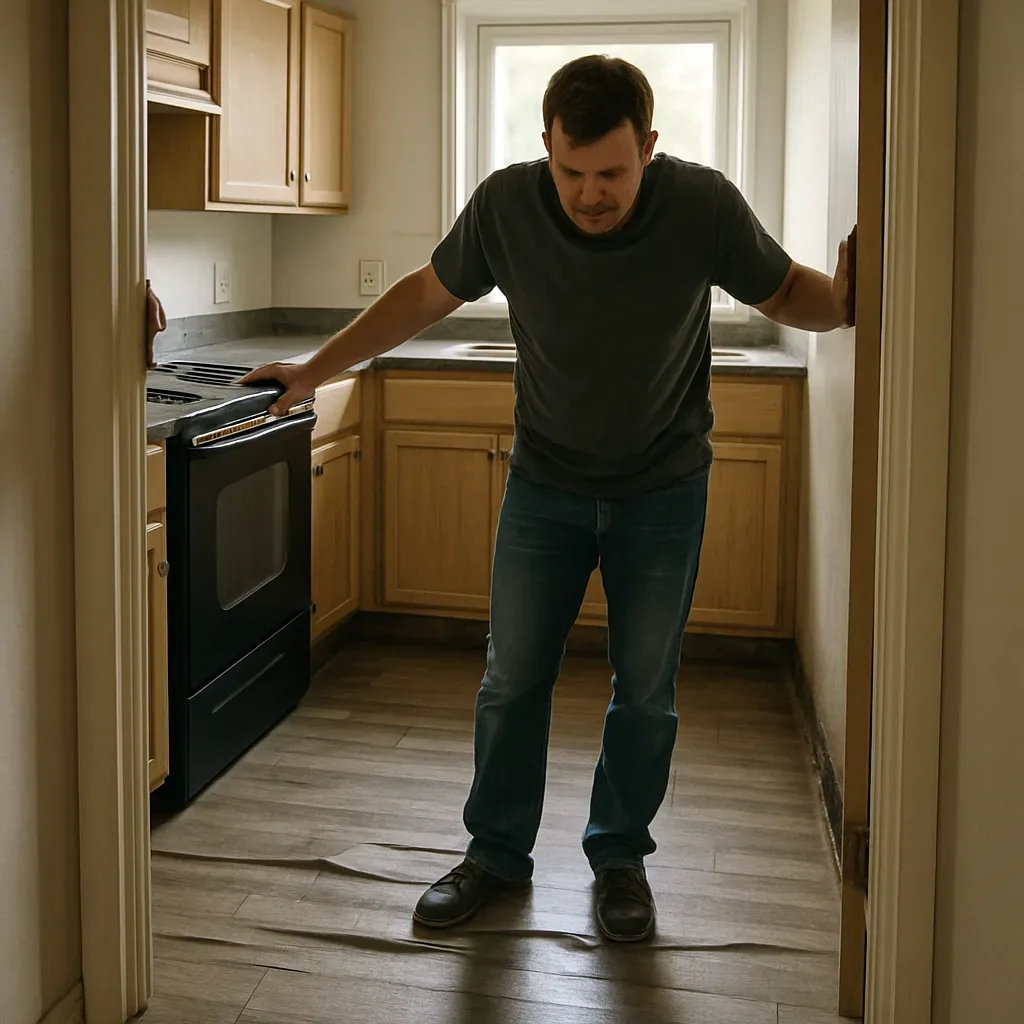
What’s Covered on This Page
- What Happens During Water Damage Restoration
- The First Steps You Should Take Right After Water Damage
- Why Professional Drying Equipment Makes the Difference
- How do I know if water damage is hiding inside my walls in Gilbert?
- Does Gilbert’s dry desert climate help dry out water damage on its own?
- What is the difference between water extraction and structural drying?
- When should I call a professional instead of handling water damage myself?
- Why does documenting water damage matter before cleanup starts?
- Is it a mistake to use bleach on water-damaged walls to stop mold?
Need how to approach water damage restoration the right way: a homeowner’s guide?
Call now. Call Flow state now.
What Happens During Water Damage Restoration
Most people picture water damage restoration as someone showing up with a big fan. That’s maybe five percent of the job. The real process is layered, and each step matters.
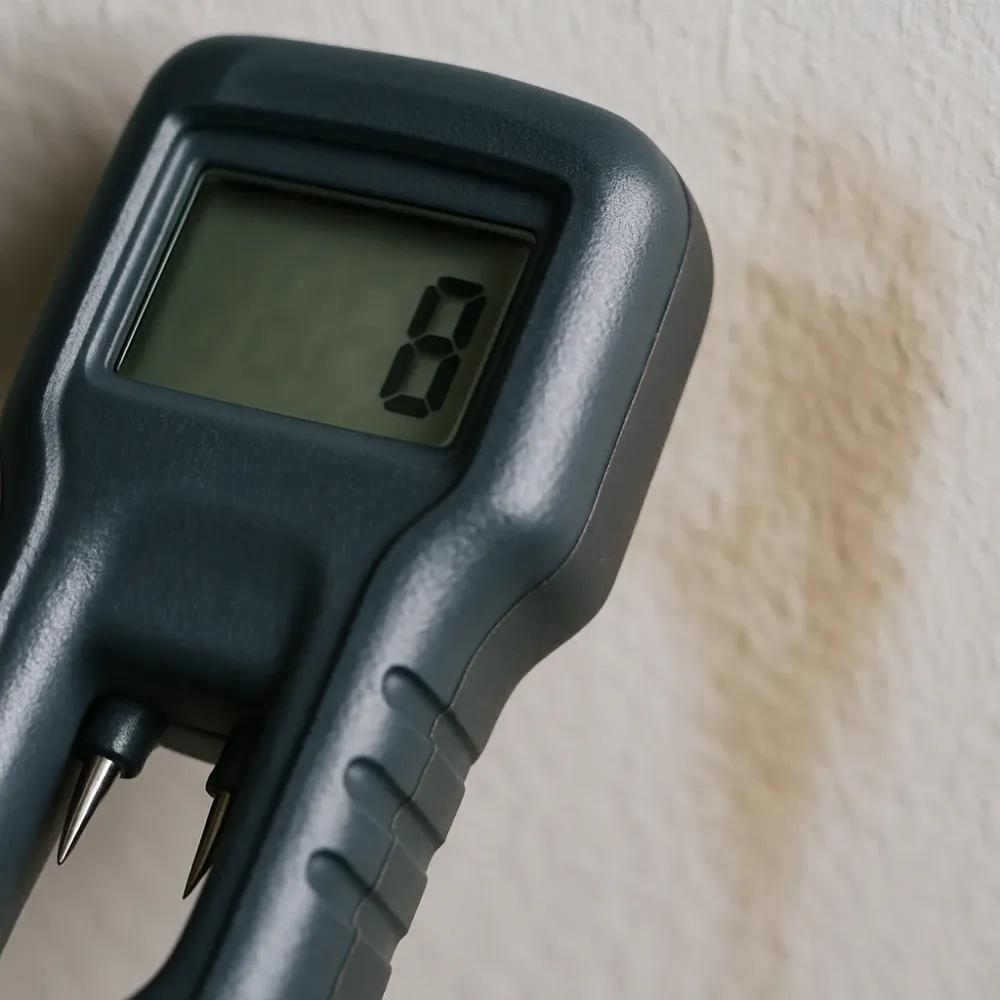
Here’s what actually happens when a crew arrives at your Gilbert home.
- Inspection and assessment. Before anything gets moved or dried, the team checks every affected area. We use moisture meters to find water hiding in walls, under floors, and above ceilings. By the time most homeowners call, the damage is already inside the wall. This step tells us how far the water traveled and what category of water we’re dealing with.
- Emergency water extraction. Standing water comes out first. Industrial pumps and truck-mounted extractors pull hundreds of gallons fast. Speed matters here, every hour water sits on your floor increases the chance of structural problems and mold growth.
- Structural drying. Once the bulk water is gone, commercial-grade dehumidifiers and air movers go to work. This phase can take several days. We monitor moisture levels daily because drying too fast can warp wood, drying too slow invites mold. Gilbert’s dry desert air helps outdoors, but inside a closed-up house the humidity gets trapped.
- Cleaning and sanitizing. Depending on the water source, surfaces may need antimicrobial treatment. A burst pipe is different from sewage cleanup. Contaminated water demands a more aggressive approach to protect your family’s health.
- Restoration and repairs. This is where your home starts looking like your home again. Damaged drywall gets replaced. Baseboards go back up. If you had hardwood floor water damage, the crew evaluates whether boards can be saved or need replacing.
The whole process usually takes three to seven days for a typical residential water damage restoration job. Bigger losses take longer.
Why the Order Matters
Skip a step and you pay for it later. We see this mistake all the time. A homeowner pulls up wet carpet, runs a box fan for a day, and calls it done. Three weeks later there’s a musty smell coming from the subfloor. That’s mold starting to colonize.
According to the Institute of Inspection, Cleaning and Restoration Certification, mold can begin growing on wet materials within 24 to 48 hours. That’s why professional water damage restoration follows a strict sequence.
And here’s something people miss. The inspection at the start isn’t just about finding water. It also documents everything for your insurance claim. Proper documentation can make the difference between a smooth claim and a denied one. Our team helps with insurance claim assistance for water damage because what adjusters look for.
A Real Example From the Field
Last monsoon season, a family near Higley Road had a roof leak they didn’t catch for two days. By the time they noticed the ceiling stain, water had soaked through insulation and into the wall cavity below. The visible damage was a soft spot on the ceiling about two feet wide. The actual damage stretched across an entire bedroom wall.
We extracted water, set up drying equipment, and ran a mold inspection and testing protocol on day three. Caught early growth behind the drywall before it spread. The whole job wrapped in five days.
That’s what a proper water damage restoration process looks like. Not just removing what you can see, but finding and fixing what you can’t.
If you’re trying to figure out your next move after water damage, our water damage restoration page walks you through how we handle every type of loss in Gilbert homes.
The First Steps You Should Take Right After Water Damage
You just found standing water in your home. Your heart’s racing. That’s normal. But what you do in the next few hours matters more than you think.
Water moves fast through drywall, insulation, and subflooring. Most people are surprised to learn the damage is already inside the wall before they even grab a towel. According to the Institute of Inspection, Cleaning and Restoration Certification, mold can start forming within 24 to 48 hours of water exposure. So speed counts.
Here’s what to do right away, in order:
- Stop the water source if you can. A burst pipe? Shut off your main water valve. A roof leak during a Gilbert monsoon? You might not be able to stop it, but you can contain it with buckets and tarps.
- Turn off electricity in affected areas. If water is near outlets or your breaker panel, don’t touch anything. Call an electrician first. Safety comes before cleanup. Every time.
- Move what you can to dry ground. Furniture, rugs, photo albums, electronics. Get them off wet floors and onto dry surfaces. The faster you do this, the better your chances with contents restoration later.
- Document everything with photos and video. Walk through each room. Record the water lines on walls, the soaked carpet, the warped baseboards. Your insurance company will want this, and having it from the start makes insurance claim assistance for water damage much smoother.
- Call a water damage restoration professional. Don’t wait until morning. Don’t wait until Monday. Emergency water extraction needs to happen fast to prevent structural problems and mold growth.
We see this after every monsoon season in Gilbert. A homeowner near Val Vista and Guadalupe will mop up what they can see, run a fan for a day, then call us a week later when the smell hits. By then the damage has spread behind walls and under flooring.
That’s the part people miss. Visible water is only part of the problem.
What Not to Do
There are a few mistakes that make things worse. Using a regular household vacuum on standing water is one. Those aren’t built for it, they can short out or shock you. And using bleach on wet drywall won’t kill mold. It just bleaches the surface while the problem grows underneath.
Another big one? Opening all the windows. In Gilbert’s dry heat, you’d think that helps. But during monsoon season the humidity outside can be higher than inside your house. You could actually slow down the drying process or introduce more moisture.
We’ve walked into homes where a homeowner ran three box fans for a week straight thinking it was enough. The carpet felt dry on top. Underneath, the pad was soaked and the tack strips were rusting. Structural drying requires commercial-grade equipment and moisture readings at multiple points. There’s no shortcut for that.
So here’s the honest truth. The first steps are about limiting damage, not fixing it. You’re buying time for the professionals to get there and start water damage restoration the right way. If you want to understand the full process and what happens after that first call, our water damage restoration page walks through everything from extraction to final repairs.
Take a breath. You’ve got this. Just move quickly and don’t try to handle it all alone.
Why Professional Drying Equipment Makes the Difference
Here’s something that catches a lot of people off guard. A wet carpet can feel dry on top while holding gallons of water underneath. Your walls can look fine but be soaking wet inside. That’s the tricky part about water damage restoration.
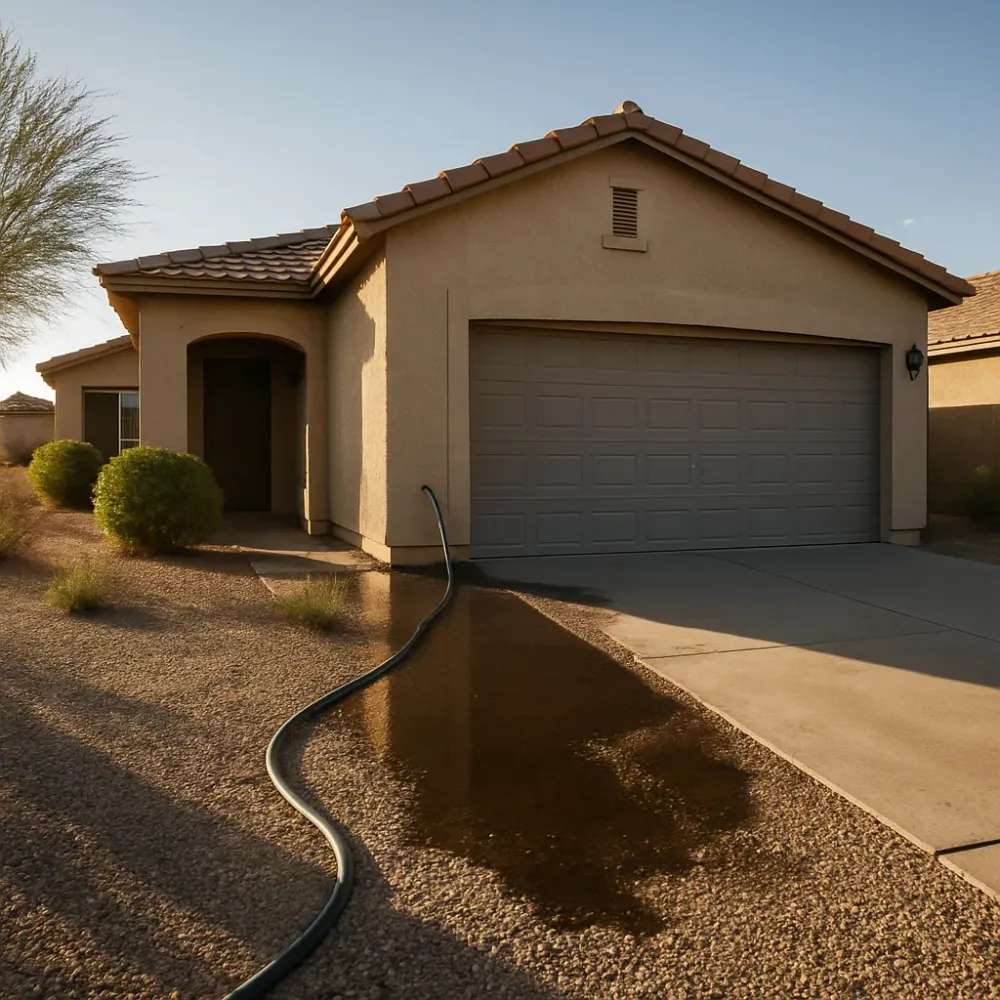
Box fans and open windows won’t cut it.
We see this after every monsoon season in Gilbert. A homeowner mops up the visible water, runs a couple fans, and figures the problem is solved. Two weeks later, there’s a musty smell. Then dark spots on the baseboards. By that point, mold has already started growing inside the wall cavity, the damage has spread way beyond the original wet area.
What Professional Equipment Actually Does
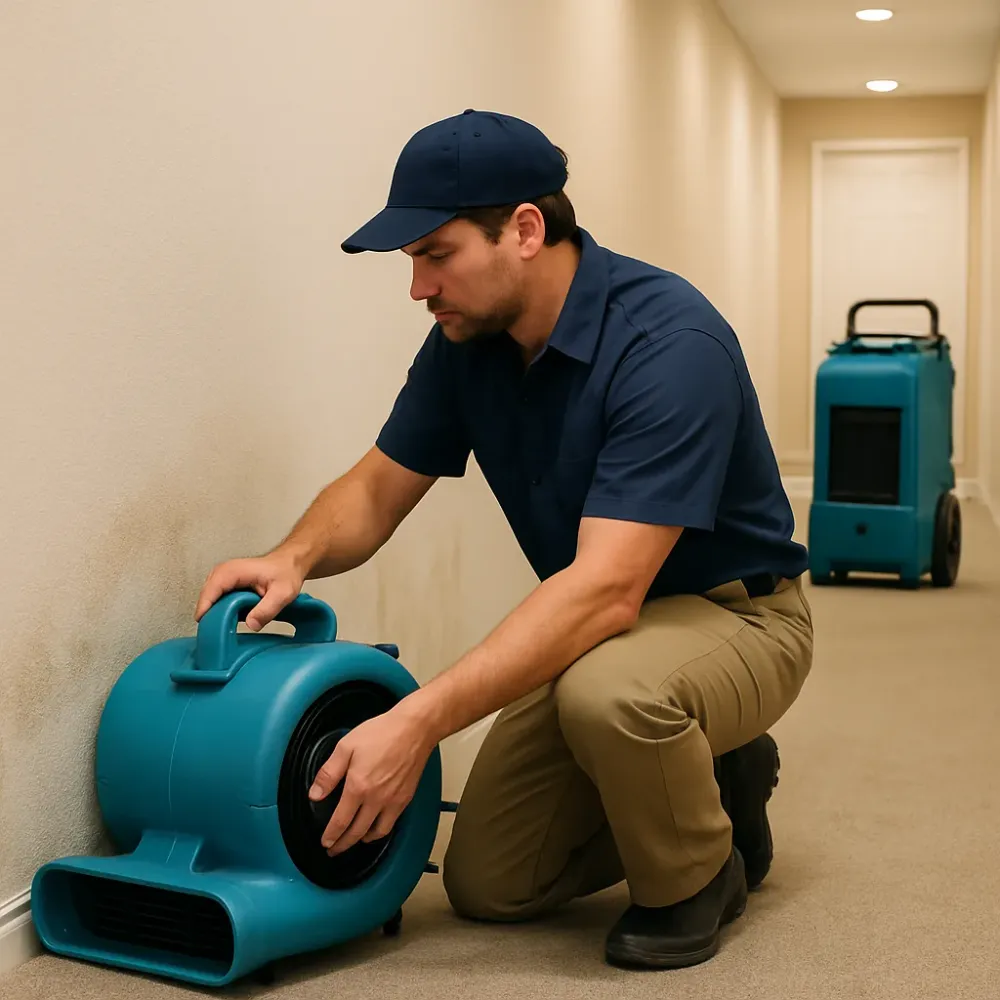
Structural drying uses commercial-grade tools that work together as a system. Each piece handles a different part of the problem:
- Commercial dehumidifiers pull moisture from the air at rates 10 to 20 times faster than a store-bought unit
- Air movers create high-velocity airflow across surfaces to speed evaporation from floors, walls, and subfloors
- Thermal imaging cameras find hidden moisture pockets behind drywall and under tile that you’d never spot with your eyes
- Moisture meters give exact readings so the crew knows when materials are truly dry, not just surface-dry
The goal isn’t just removing water you can see. It’s removing every bit of moisture trapped in building materials before it causes secondary damage.
Why Speed Matters So Much
According to the Institute of Inspection, Cleaning and Restoration Certification, mold can begin growing on wet surfaces within 24 to 48 hours. That’s a tight window. And in Gilbert’s summer heat, warm air holds more moisture. That actually makes indoor humidity worse after a water event, not better.
Water damage often spreads further than it looks. By the time a homeowner notices a problem, moisture is already working its way deeper into building materials. Professional equipment starts pulling that moisture out immediately. Every hour counts.
Think about it this way. A burst pipe soaks your kitchen floor at 2 a.m. You grab towels and a mop. By morning, the floor looks okay. But water has already wicked up into the drywall, saturated the subfloor, and pooled under your cabinets. A fan pointed at the floor won’t touch any of that hidden moisture.
Professional crews set up a full drying system. They monitor readings daily. They adjust equipment placement as conditions change. The process usually takes three to five days depending on how much material got wet.
The Real Cost of DIY Drying
Skipping professional structural drying often leads to bigger problems down the road. We’ve walked into homes in the Val Vista Lakes area where a small kitchen leak turned into a full mold remediation job because the homeowner tried to dry things out alone.
Here’s what incomplete drying can lead to:
- Mold growth behind walls and under flooring
- Warped hardwood floors that need full replacement
- Weakened drywall and framing that compromises your home’s structure
- Lingering odors that won’t go away no matter how much you clean
But when drying is done right the first time, you avoid all of that. Your home gets back to normal faster. Your repair costs stay lower. And you’re not dealing with a mold problem six months later.
If you’re dealing with any kind of water event right now, the smartest move is getting a professional assessment before you decide the problem is handled. Our water damage restoration team can check moisture levels and tell you exactly what’s going on inside your walls and floors.
Don’t guess. Know.
Frequently Asked Questions
Common questions about how to approach water damage restoration the right way: a homeowner’s guide services in AZ
How do I know if water damage is hiding inside my walls in Gilbert?
A moisture meter is the most reliable way to find hidden water damage in your walls. You can’t always see it, but you can feel early signs — soft drywall, a musty smell, or paint that bubbles. Gilbert homes with stucco exteriors are especially tricky because moisture gets trapped inside before it shows on the surface. After a monsoon season leak, water can travel several feet from where it entered. If you notice any of these signs, don’t wait. Hidden moisture leads to mold growth within 24 to 48 hours, according to the Institute of Inspection, Cleaning and Restoration Certification (IICRC).
Does Gilbert’s dry desert climate help dry out water damage on its own?
Gilbert’s dry air helps outdoors, but inside a closed home it actually works against you. Once water soaks into walls, insulation, and subflooring, the humidity gets trapped inside. The exterior heat can even bake moisture deeper into building materials. Opening windows during monsoon season makes things worse because outdoor humidity spikes during storms. Professional drying equipment — commercial dehumidifiers and air movers — controls the indoor environment in ways that natural airflow simply cannot. Don’t assume the desert heat is doing the work for you.
What is the difference between water extraction and structural drying?
Water extraction removes standing water using pumps and industrial equipment. Structural drying removes moisture that has soaked into floors, walls, and ceilings after the bulk water is gone. Both steps are required — you can’t skip extraction and jump to drying, and you can’t stop after extraction and call it done. Structural drying takes several days and requires daily moisture monitoring. Drying too fast can warp wood. Drying too slow invites mold. Our water damage restoration process covers both phases in the correct order for every job we handle in Gilbert.
When should I call a professional instead of handling water damage myself?
Call a professional any time water has been sitting for more than a few hours, touched walls or flooring, or came from a contaminated source like a sewage line. Small spills on a hard surface you catch immediately are manageable on your own. Anything beyond that carries real risk. Mold can begin growing within 24 to 48 hours (IICRC). Contaminated water requires antimicrobial treatment to protect your family. A common mistake Gilbert homeowners make is mopping up visible water and running a fan, only to find mold behind the walls weeks later.
Why does documenting water damage matter before cleanup starts?
Documentation protects your insurance claim. Photos and video taken before cleanup begins show the full extent of the damage — water lines on walls, soaked flooring, and affected contents. Insurance adjusters rely on this evidence to approve claims. If you clean up first and document later, you lose proof of how bad it actually was. Walk through every affected room and record everything before moving a single item. This step takes ten minutes and can make a major difference in how smoothly your claim gets processed. (SOURCE TBD)
Is it a mistake to use bleach on water-damaged walls to stop mold?
Yes, bleach on wet drywall is one of the most common mistakes homeowners make. Bleach only affects the surface. It does not penetrate porous materials like drywall or wood where mold actually grows. It changes the color of the surface while the problem continues underneath. Proper mold treatment after water damage requires antimicrobial products designed for porous building materials — and in many cases, the damaged material needs to be removed entirely. If you suspect mold growth after water damage in your Gilbert home, get a professional mold inspection before treating anything yourself.
Ready to Get Started?
Call now. Call +1-480-956-3500 today.