
Slab Leak Water Damage Repair In Gilbert AZ
Slab leaks. We get a ton of calls for these. Hot water line cracks under the slab, water comes up through the concrete, and you’ve got a wet floor before you know what’s happening. We dry it out and rebuild. If you suspect a slab leak in Gilbert or nearby areas, call Jesse.
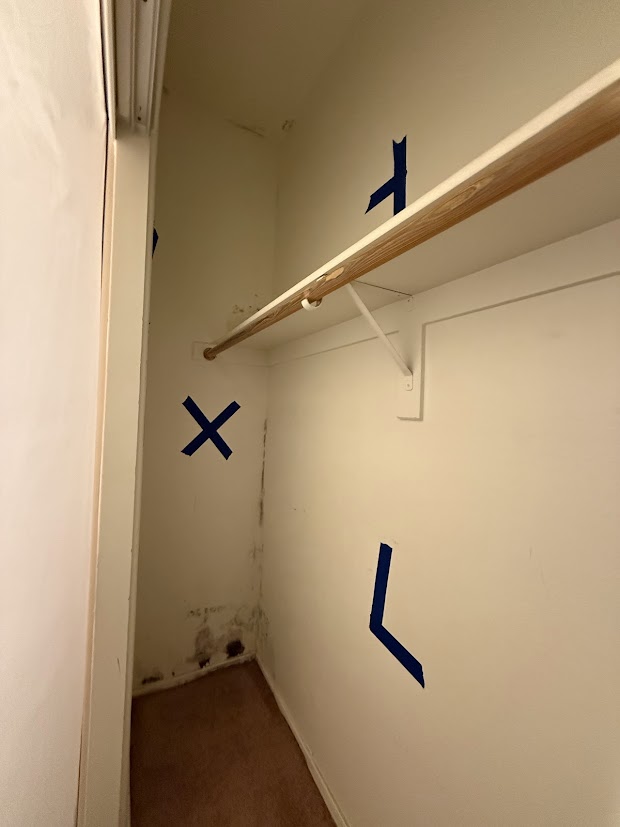
Slab Leak Projects in Gilbert
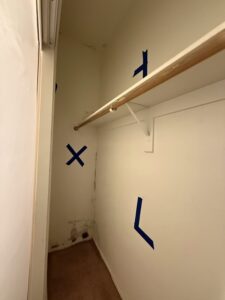
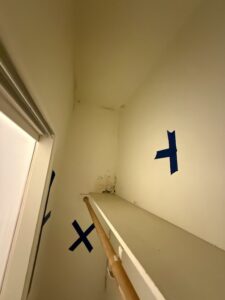
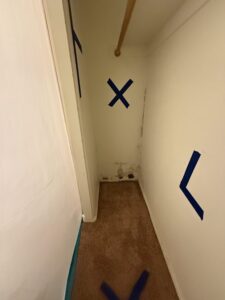
Most slab leaks we see in Gilbert come down to four things: hot water line failures, cold water line failures, hard water eating up the copper, and soil shift moving the slab. Here are some of the recent slab leak projects that we have done.
What's Actually Happening Under Your Slab
Copper water lines run under the slab for most homes built after 1980s.Hot and cold both. Once a line goes, water doesn’t have anywhere to escape. It pushes sideways through cracks in the concrete or up through the expansion joints. Below is what fails most.
Hot water line failures
Hot copper expands and contracts every time someone takes a shower. After 20, 25 years of that, joints start giving up. Add hard water eating the inside of the pipe and pinhole leaks open up under the slab.
Cold water line failures
Less common but they happen. Usually soil chemistry attacking the line from outside, or copper that wasn’t sleeved right when the house was built. Cold line leaks tend to be slower than hot.
Hard water doing its work
Gilbert water is hard. Plumbers around here will tell you copper doesn’t last as long as it should. Scale builds inside the pipe, joints get stressed, eventually something gives.
Soil shift and slab movement
Clay soil under most of these houses. Soil swells when it gets wet. Pulls in when it dries. We get monsoon then dry stretches then somebody next door does construction, the slab moves around on you. Lines underneath are the ones that pay for it.
What Makes Slab Leak Repair Different In Gilbert
A few things you don’t deal with in other parts of the country.
Post-tension cables
Almost every Gilbert house from the last 40 years has cables in the slab. Cutting into concrete without knowing where the cables are can mess up the structural integrity of your house. We don’t do concrete work for this reason. The plumber handles any cutting and they have ways to locate the cables before they cut.
Concrete dry time
Low humidity here helps once we get equipment running. But concrete absorbs water deep into the slab where consumer fans can’t reach. Anyone who tells you they can dry a slab leak in 48 hours is lying or doesn’t know what they’re doing. Most slab dry-outs take 4 to 7 days minimum. We’ve seen jobs where the slab was still reading wet after two weeks
Clay soil
When the slab gets wet from underneath, sometimes the soil shifts a little as it dries back out. We watch for any signs of movement during the dry-out and document what we see. Most jobs there’s nothing to worry about. Once in a while there is, and that’s when documentation matters for your insurance.
Plumbing Coordination for Slab Leaks
Slab leaks need a licensed plumber to locate the source, cut the slab, and re-route or repair the failed line. We’re not plumbers, but we work with a network of licensed slab leak specialists across Gilbert and the East Valley. They handle the source repair. We handle the moisture removal from concrete, flooring, and substructures, plus the rebuild. One coordinated job instead of two separate ones.
How We Handle Slab Leaks
Flow State Restoration follows proven protocols for Gilbert slab leaks.
Step 1: Find it
Goal is to pinpoint the leak location tight enough that the plumber only has to open up a small section of slab to fix the line. Not tear up half your kitchen guessing.
Step 2: Plumber fixes the line
We work with a handful of plumbers around Gilbert who know slab work. We can call one for you or you can call your own.
Step 3: Drying
Here’s where most companies screw it up. Concrete holds water. A lot of water. And it holds it deep. Surface looks dry in two days and people pull equipment. Six months later they’ve got mold or warped flooring and they don’t know why. We use commercial dehumidifiers, big air movers, sometimes targeted heat. Moisture meters every day. Equipment doesn’t come out until the readings come back to where they need to be. Usually 4-7 days for slab drying.
Step 4: Pull what can't be saved
Baseboards always. Wet drywall along the wet zone, we cut at least a foot above where the moisture line ends. Carpet pad goes. Carpet sometimes survives, sometimes doesn’t. Tile depends on how good the grout seal was. Hardwood is usually a loss. Engineered hardwood especially. Solid sometimes saves if we catch it fast.
Step 5: Paperwork for the adjuster
Photos of everything. Moisture readings logged. Measurement of the affected area. Scope of work written up in the format insurance wants. We do this part because if you don’t, the adjuster lowballs you and you’re stuck. Slab leak water damage is almost always a covered claim. The line repair itself depends on your policy.
Step 6: Rebuild / Reconstruct
This is where we’re different. Most restoration companies dry your house out and hand you a list of contractors for the rebuild. We do the rebuild too. Drywall, baseboards, paint, flooring, the whole thing. One company, one job number, one timeline.
Gilbert Neighborhoods We Serve
Flow State Restoration provides slab leak water damage repair throughout Gilbert and the East Valley.
Some neighborhoods see more calls than others. Power Ranch, Seville, Cooley Station, and newer SanTan Village builds have post-tension slab construction that’s been in the ground 20-30 years now and is hitting the age where copper failures are common.
Morrison Ranch, Whitewing, Val Vista Lakes are the same, but just a few years ahead.
Frequently Asked Questions About Slab Leak Repair in Gilbert
How fast do I need to act if i suspect a slab leak?
Act on it immediately. Every day the leak runs, more flooring soaks up water and more wall material gets saturated. Same leak caught in week one might be $3K. Same leak ignored two months is $15K. If you suspect it, call a plumber to verify and call us at the same time so we can be ready.
Will my insurance pay for this?
Water damage almost always yes. The line repair itself, depends on your policy. Some cover the actual pipe repair, some don’t. We deal with adjusters every week so we can walk you through what your specific policy covers before you commit to anything.
Do I have to move out?
Usually no. Most slab leaks are one or two rooms affected. We seal off the work area and run drying equipment, you can stay in the rest of the house. But if it’s the only bathroom or the only kitchen that’s affected, you might want to stay somewhere else for a few days while we work.
Can't I just dry it myself with fans?
No. Concrete doesn’t dry with consumer fans. The water’s deep in the slab where a box fan can’t reach. Without commercial dehumidification you’re going to have a mold problem in the walls in a couple months and probably flooring failure within a year. We’ve gotten called back to a lot of “I tried to dry it myself” houses.
Explore some of our related services below to handle other damages
Got A Slab Leak in Gilbert? Call Now.
Every day it sits, the damage spreads further and the rebuild gets more expensive. We can be on site within the hour across Gilbert and the East Valley.