
Emergency Water Extraction Near Arizona Museum of Natural History in Gilbert
Our team handles emergency water damage, fire damage cleanup, and mold remediation with rapid response, advanced drying equipment, and proven restoration methods to protect your property and prevent further damage.
 Call Now +1-480-956-3500
 Experienced Professionals
 Serving AZ Area
What’s Covered on This Page
- Water Extraction for Homes Near the Museum District
- How Our Team Reaches the Museum Area from Gilbert
- What the Mesa-Gilbert Border Zone Means for Water Damage
- How quickly can you reach homes near the Arizona Museum of Natural History when water is actively flooding?
- Why do older homes near the Arizona Museum of Natural History flood differently than newer construction?
- Do monsoon storms cause special flooding problems for homes south of the museum on streets like Lesueur?
Water Extraction for Homes Near the Museum District
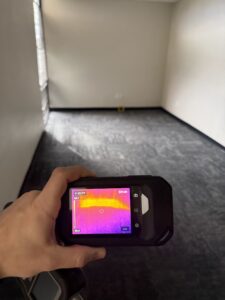
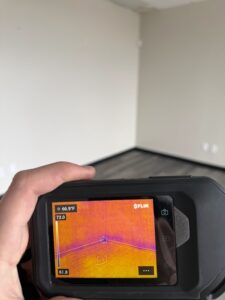
A lot of homes near the museum were built in the late 1960s and 1970s. Slab foundations. Stucco walls. Old copper lines that have been working hard for decades. We do emergency water extraction in this part of Mesa often, and the story is usually the same. A line breaks behind a wall, water slips under the slab or soaks into drywall, and by the time you see a swollen baseboard, it has already been spreading for hours.
These streets sit in one of Mesa’s older downtown areas. Homes along Macdonald and Robson have smaller footprints and cramped utility spaces, so moisture gets trapped fast (and stays there if nobody gets to it). Water does not just sit on the floor. It moves into drywall, insulation, and subflooring before you ever see a stain.
But monsoon season hits this area hard. We see it every year. The drainage along the north side of Main Street takes runoff from Sirrine Park and the nearby blocks. When a July storm dumps an inch of rain in twenty minutes, water backs up into garages and front entries on the lower lots south of First Street. We have pulled standing water out of living rooms on Lesueur Street after storms that barely lasted half an hour.
Here’s what emergency water extraction actually looks like in these older Mesa homes:
- Slab-on-grade foundations hold moisture under vinyl and tile, so we use thermal imaging to find hidden water
- Original drywall in 1960s homes drinks water fast and rarely dries on its own
- Popcorn ceilings can hide active leaks until the ceiling sags or drops
- Evaporative coolers on rooftops cause slow leaks that go unnoticed for weeks
We do not just roll in with a shop vac. Our truck-mounted extractors pull hundreds of gallons per hour. The real work starts after the visible water is gone. Moisture trapped inside wall cavities and under flooring is what leads to mold growth, and in the warm air around this part of Mesa, that can start within 24 to 48 hours.
Last summer we handled a duplex on Hibbert. The owner had a washing machine hose burst on a Friday night, and water ran through the kitchen into both units before anyone caught it. By the time we got there, the laminate was already lifting at the seams. We got the water out, set up structural drying equipment, and saved the subfloor in both units. Without fast extraction, that job would have turned into a full tear-out.
So if you’re in one of these older homes near Main and Macdonald and you find water where it should not be, the clock is already running. Every hour matters. These streets, these houses, and exactly where water hides in them.
How Our Team Reaches the Museum Area from Gilbert
Most of our calls near the museum come from the neighborhoods just south of Main Street between Macdonald and Robson. that grid well. Our trucks are staged in Gilbert, so getting to you is quick and direct.
- We head west on Elliot Road toward Mesa, then pick up Country Club Drive northbound.
- Country Club takes us past the 60 interchange and into downtown Mesa.
- We turn west on Main Street, and the museum sits on the north side near Macdonald.
- From there, we can reach any nearby street in under two minutes.
The drive usually takes about 15 minutes, depending on the time of day. Rush hour on Country Club between Baseline and Broadway can slow things down. We often cut over to Mesa Drive when traffic stacks up near Southern, and that shaves a few minutes off the trip.
And here’s something people do not always think about. The streets around the museum are older and narrower than what you see in newer Gilbert subdivisions. Parking a loaded extraction truck on a tight block near First Street or Sirrine takes a little planning (the wrong curb can turn into a headache fast). where to park and where to run hoses so we are not blocking your neighbor’s driveway.
This part of Mesa is one of its original neighborhoods. Homes here were built from the 1940s through the 1970s, and a lot of them sit on slab foundations with older plumbing under concrete. When a pipe bursts in one of these houses, water does not always show up where you expect. It travels along the slab and settles in a back bedroom or closet. We see that pattern on almost every emergency call near the museum district.
But we do not just show up and start pulling water. We walk the property first. The houses along Lesueur and Hibbert have different layouts than the ones closer to Pepper Place, so the extraction plan changes block by block. A 1,200-square-foot bungalow on Robson floods differently than a converted duplex near Center Street. That first look saves time and helps protect your floors.
Being this close to Gilbert works in your favor. We are not crossing the whole Valley to get there. The museum area is close to our base, and that matters when water is sitting on hardwood or soaking into drywall. You need help fast.
So if you’re in one of those older homes between the museum and the light rail stop on Main, you’re in our regular service zone. We have run emergency water extraction on these blocks during monsoon season, after supply line failures, even after a water heater gave out in a garage on a Sunday morning. The area is familiar to us. We do not waste your time trying to find it.
What the Mesa-Gilbert Border Zone Means for Water Damage
The museum sits right on East Main Street in downtown Mesa, but the neighborhoods just south of it run straight into Gilbert. That border zone confuses a lot of homeowners. You might pay Gilbert taxes and still be dealing with Mesa drainage and Mesa streets. We have worked homes within a half mile of the museum where the city line runs through the middle of the block.
That matters when water shows up.
The streets around the museum slope gently south toward the Roosevelt Canal. Homes built in the 1970s and 1980s along that corridor sit on older slab foundations with original copper or galvanized supply lines. Those lines corrode from the inside. A pinhole leak behind a bathroom wall can run for days before you notice the baseboard bubbling. We have done emergency water extraction in houses on Robson where the homeowner thought it was a small drip, and the subfloor was already soaked two rooms over.
And this area has its own monsoon problem. Stormwater runs downhill from the slightly higher ground near Center Street and pools in the low spots south of Main. The older storm drains in that part of Mesa were not built for the kind of volume we get during a hard July cell. Water backs up fast. It pushes through garage seals, window wells, and sliding door tracks. By the time you feel carpet squishing underfoot, the pad underneath is holding gallons.
Homes near the museum are usually single-story ranch styles with concrete slab construction. That helps in one way. No basement to flood. It still causes trouble. Water trapped under vinyl plank or tile on a slab has nowhere to go but sideways. It wicks into drywall. It soaks cabinet toe kicks. The damage hides.
Here’s what makes this border zone different from neighborhoods further into Gilbert:
- Older clay sewer laterals crack and can let sewage back up during heavy rain
- Mature landscaping wraps roots around supply lines near the foundation
- Flat lot grading from decades ago does not move water away from the home like newer Gilbert subdivisions do
- Evaporative cooler connections on rooftops leak into attic spaces and ceiling cavities
We see the cooler issue a lot in the blocks around the museum. Most homeowners do not realize the damage is already inside the wall by the time a brown spot shows on the ceiling. Emergency water extraction at that point is not just about pulling standing water, it’s about getting moisture out of the structure before mold takes hold in 48 hours.
So if you’re in one of those neighborhoods between Main Street and Guadalupe, close to the museum district, your home has its own risk profile. It is not the same as a 2015 build in Agritopia or a two-story in Power Ranch. The materials are different. The plumbing is older. The grading works against you. We see that because we’re out here after every monsoon season and every cold snap that catches an exposed line off guard.
But knowing what you’re dealing with helps. The other half is getting water out before it spreads any farther.
Frequently Asked Questions
Common questions about emergency water extraction near arizona museum of natural history mesa services in AZ
How quickly can you reach homes near the Arizona Museum of Natural History when water is actively flooding?
We can reach most homes near the Arizona Museum of Natural History in about 15 minutes from our Gilbert base. We take Elliot Road west to Country Club Drive north into downtown Mesa. When traffic stacks up near Southern, we cut over to Mesa Drive. Every minute counts when water is moving under a slab or soaking into 1960s drywall.
Why do older homes near the Arizona Museum of Natural History flood differently than newer construction?
Homes near the museum were built on slab foundations with copper plumbing that has been working hard for decades. When a line breaks, water travels along the slab and hides in a back bedroom or closet — not where you expect it. Original drywall in these 1960s and 1970s homes absorbs water fast. We use thermal imaging to find moisture you cannot see.
Do monsoon storms cause special flooding problems for homes south of the museum on streets like Lesueur?
Yes — the drainage along the north side of Main Street takes runoff from Sirrine Park, and lower lots south of First Street flood fast. We have pulled standing water from living rooms on Lesueur Street after storms that barely lasted 30 minutes. Garages and front entries on those blocks are especially vulnerable when a July storm drops an inch of rain quickly.