
Flood Damage Repair near Pioneer Park in Gilbert
Our team handles emergency water damage, fire damage cleanup, and mold remediation with rapid response, advanced drying equipment, and proven restoration methods to protect your property and prevent further damage.
 Call Now +1-480-956-3500
 Experienced Professionals
 Serving AZ Area
What’s Covered on This Page
- Flood Damage Repair for Homes Near Pioneer Park
- How Our Team Reaches the Pioneer Park Area
- Why the Soil and Storm Patterns Here Make Water Damage Worse
- Does the clay soil around Pioneer Park make flood damage worse for nearby homes?
- How quickly can you reach a home near Pioneer Park when water is actively flooding?
- Why do back bedrooms in homes near Pioneer Park flood first during a storm?
Flood Damage Repair for Homes Near Pioneer Park
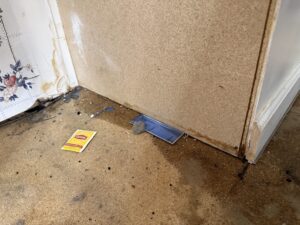
Pioneer Park sits right where Mesa and Gilbert blur together along Guadalupe Road. If you live on the Gilbert side, you already know how flat that area feels. Water has a habit of hanging around. During monsoon season, it heads for the lowest spot and sits there.
Your backyard is usually that spot.
We’ve done flood damage repair for homes just south of the park on streets like Saragosa and El Maro. If you need flood damage repair near Pioneer Park Mesa AZ, this is the kind of work we handle a lot. The soil there is heavy clay. It holds moisture instead of letting it drain. So when a storm drops two inches in an hour, water piles up against block walls and foundation lines. By morning, the garage slab is wet and the baseboards in the back bedroom are already swelling.
Most homeowners near Pioneer Park don’t realize the damage is inside the wall before it shows on the floor. That’s the part people miss. These homes are mostly single-story builds from the late ’80s and early ’90s. Slab-on-grade. Stucco outside. They look fine from the curb, then we open the wall and find damp bottom plates and early mold behind the baseboard (usually in the back rooms first).
A few things make this pocket of Gilbert different when water gets in:
- Flat lot grading with very little slope away from the foundation
- Older block wall fencing that traps runoff against the house
- Builder-grade carpet and pad that hold water like a sponge
- Mature landscaping that sends water toward the structure
We’re out here often. The park itself floods after a hard rain, and the residential streets around it catch the overflow. Guadalupe Road can act like a channel when the storm drains back up. Water follows gravity south into the neighborhood. It doesn’t care about a property line.
But speed matters most. The sooner we get fans and dehumidifiers running, the less you lose. Structural drying in the first 24 hours can save subfloor. Wait two days, and now you’re looking at mold inspection and testing too. We’ve seen both outcomes in homes right around the Pioneer Park edge.
One job from last summer still sticks with us. A family on Harmony came home after a weekend trip and found water from a leaking sliding door. Two days of standing water in the family room. The hardwood buckled hard. That hardwood floor water damage repair could’ve been a simple extraction if we’d gotten there sooner. The irrigation along the back wall had been leaking for months, and nobody saw it until the storm pushed it over the edge.
If you live near Pioneer Park and water is where it shouldn’t be, don’t wait to see if it dries on its own. It won’t. Not in a slab home with clay soil under it. Call us and we’ll map the moisture before it spreads further than you can see.
How Our Team Reaches the Pioneer Park Area
Pioneer Park sits right where Mesa and Gilbert blur together near Guadalupe Road. That border throws some companies off. Not us. where the park sits, the homes around it, and we’ve been on those streets more times than we can count.
Here’s how we usually get to you:
- We head east on Guadalupe Road from our base in Gilbert, past Signal Butte Road.
- We turn north on Greenfield Road, which runs along the west edge of Pioneer Park.
- From Greenfield, we cut east on 8th Avenue or drop south on Stapley Drive depending on your side of the park.
- Most jobs near Pioneer Park put us at your door in under 20 minutes.
That matters when your floors are soaked.
The homes east of Greenfield Road between Guadalupe and Main Street are the ones we see most often. Those neighborhoods have older irrigation systems and mature landscaping. A busted valve at 2 a.m. can send water straight into a garage or through a foundation crack before anyone wakes up. We’ve done emergency water extraction on that stretch a dozen times in the last two years alone.
And the streets south of Pioneer Park toward Brown Road have their own issues. The lots slope gently toward the houses in a few spots. During monsoon season, runoff from the park’s grassy fields pushes water toward back walls and patios. We’ve pulled wet drywall from homes on those blocks where the water didn’t come through a door, it came up through the slab.
One thing people don’t think about is how fast we can stage equipment. Greenfield Road is wide and easy for our trucks and trailer. No wrestling through tight subdivision streets or gated entries. We pull up, unload the fans and dehumidifiers, and get to structural drying. That saves hours.
But reaching you fast only helps if what we’re walking into. The homes near Pioneer Park are a mix. Some are block construction from the 1980s. Others are newer stucco builds from the early 2000s. Block homes hold moisture differently than framed walls. The water hides in those hollow cores, and you may not see it for days. We check for that every time in this neighborhood because we’ve learned the hard way what gets missed.
So when you call about water damage near Pioneer Park, we’re not plugging your address into GPS and hoping for the. We already know the fastest route. We already know the soil drains slow on the south side. We already know the irrigation lines along Greenfield are aging out. That local knowledge cuts time off every job, and time is the one thing you don’t have when water’s sitting in your walls.
Why the Soil and Storm Patterns Here Make Water Damage Worse
The ground around Pioneer Park doesn’t absorb water the way people expect. That stretch between Main Street and Robson sits on heavy clay soil. It looks dry and cracked most of the year. Once monsoon rain hits, that clay seals up like a lid on a jar.
Water has nowhere to go.
We’ve responded to water damage calls on homes just south of Pioneer Park where the backyard was bone dry at noon and had two inches of standing water by dinner. The clay pushes runoff sideways instead of pulling it down. It pools against foundations and finds every gap in a slab. Most homeowners near the park don’t realize the soil is working against them until they see water creeping across the garage floor.
And the storm patterns here hit fast. Gilbert gets those monsoon cells from the southeast, and this part of town doesn’t have much slope to help move them along. Rain dumps hard for twenty minutes, then stops. That short burst is enough to overwhelm the storm drains along Guadalupe Road and send sheets of water across the flat residential blocks near the park.
We see the same thing after every monsoon season. Homes on the east side of Pioneer Park take the brunt of it first because the grade leans toward them from the open fields. Runoff collects along fence lines and patio edges. It doesn’t look like much from the street. Behind those block walls, water is sitting against stucco and soaking into the weep screed (and that part gets ignored more than it should).
The damage is already inside the wall before most people notice a problem.
Clay soil creates another headache for water damage repair in this neighborhood. When the ground dries out, it shrinks and pulls away from the foundation. Gaps open up. Next storm, water follows those gaps straight under the slab. We’ve pulled carpet in homes a block from Pioneer Park and found moisture readings through the roof on concrete that looked dry to the eye.
So the cycle keeps going. Wet season swells the clay. Dry season cracks it open. Each round makes the home a little more exposed to the next storm. Homes built in the 1980s and 1990s near Pioneer Park are hit harder because their vapor barriers have worn down over the years.
But here’s what catches people off guard. It’s not always the big storms. A slow overnight rain that drops an inch over six hours can do more damage near Pioneer Park than a fast monsoon burst. The clay has time to soak up fully. The water table rises just enough to push moisture up through slab cracks. You wake up to damp baseboards and a musty smell in the hallway.
That’s when mold starts. And that’s when a quick cleanup turns into structural drying and mold inspection and testing. It’s also worth knowing that prolonged water intrusion on flat-roofed structures in this area carries serious risk — inspectors have documented cases where standing water on roofs leads to structural collapse, a reminder of how quickly ponding water can escalate beyond surface-level damage.
We drive past Pioneer Park multiple times a week heading to jobs in this part of Gilbert. The soil and weather patterns here don’t surprise us anymore, they’re just part of life in this area. Knowing how this ground behaves helps us move fast and hit the right spots before hidden moisture spreads further than it needs to. By the way, Greenfield after a hard rain gets slick near the park entrance, and you can see the water line sitting in the curb longer than you’d think.
Frequently Asked Questions
Common questions about flood damage repair near pioneer park mesa az services in AZ
Does the clay soil around Pioneer Park make flood damage worse for nearby homes?
Yes, the heavy clay soil around Pioneer Park seals up during monsoon rain and pushes water sideways into foundations instead of draining down. We see this constantly on streets south of the park. Water pools against block walls and slab edges fast. That trapped moisture gets inside walls before you notice anything on the floor.
How quickly can you reach a home near Pioneer Park when water is actively flooding?
Most jobs near Pioneer Park put us at your door in under 20 minutes. We come east on Guadalupe Road and north on Greenfield Road, which runs right along the park’s west edge. Greenfield is wide enough for our trucks and trailer, so we unload fans and dehumidifiers fast. That first hour matters most for saving your subfloor.
Why do back bedrooms in homes near Pioneer Park flood first during a storm?
Homes near Pioneer Park are mostly single-story slab builds from the late 1980s and early 1990s with flat lot grading. Water follows the low points and collects against back walls and foundation lines. The back rooms get hit first because that’s where runoff settles. Most homeowners don’t see the swelling baseboards until the damage is already inside the wall.